
Water Quantity
Water Scarcity
Water scarcity occurs when there is not enough water to meet the current supply and demand in a given area. A water shortage impacts communities, the environment, and the wildlife that live nearby. Communities affected by a water shortage often see increased health risks, food insecurity, and an economic downturn.
What is Water Scarcity?
What Causes Water Scarcity?
Over-Pumping of Wells
Many communities rely on underground wells for their water resources. These wells pull groundwater from aquifers located below the Earth's surface. When water is pumped at a rate faster than the aquifer can refill, this leads to water shortages.
Drought
When an area receives limited precipitation for an extended period of time, this leads to a drought. Higher temperatures can also play a role. As temperatures increase, more water evaporates, leaving areas dry. Additionally, drought can be exacerbated by changes in atmospheric circulation, human activities, and climate change. Human activities include but are not limited to deforestation, over-farming and excessive irrigation, over-using water resources, and building dams to reduce the amount of water flowing downstream.
Where is Water Scarcity Occurring in the United States?
In 2020, almost 50% of the contiguous United States experienced moderate to exceptional drought. Many cities across the United States are facing water scarcity due to aging infrastructure, drought, and climate change. To view the latest drought report, visit droughtmonitor.unl.edu.
-
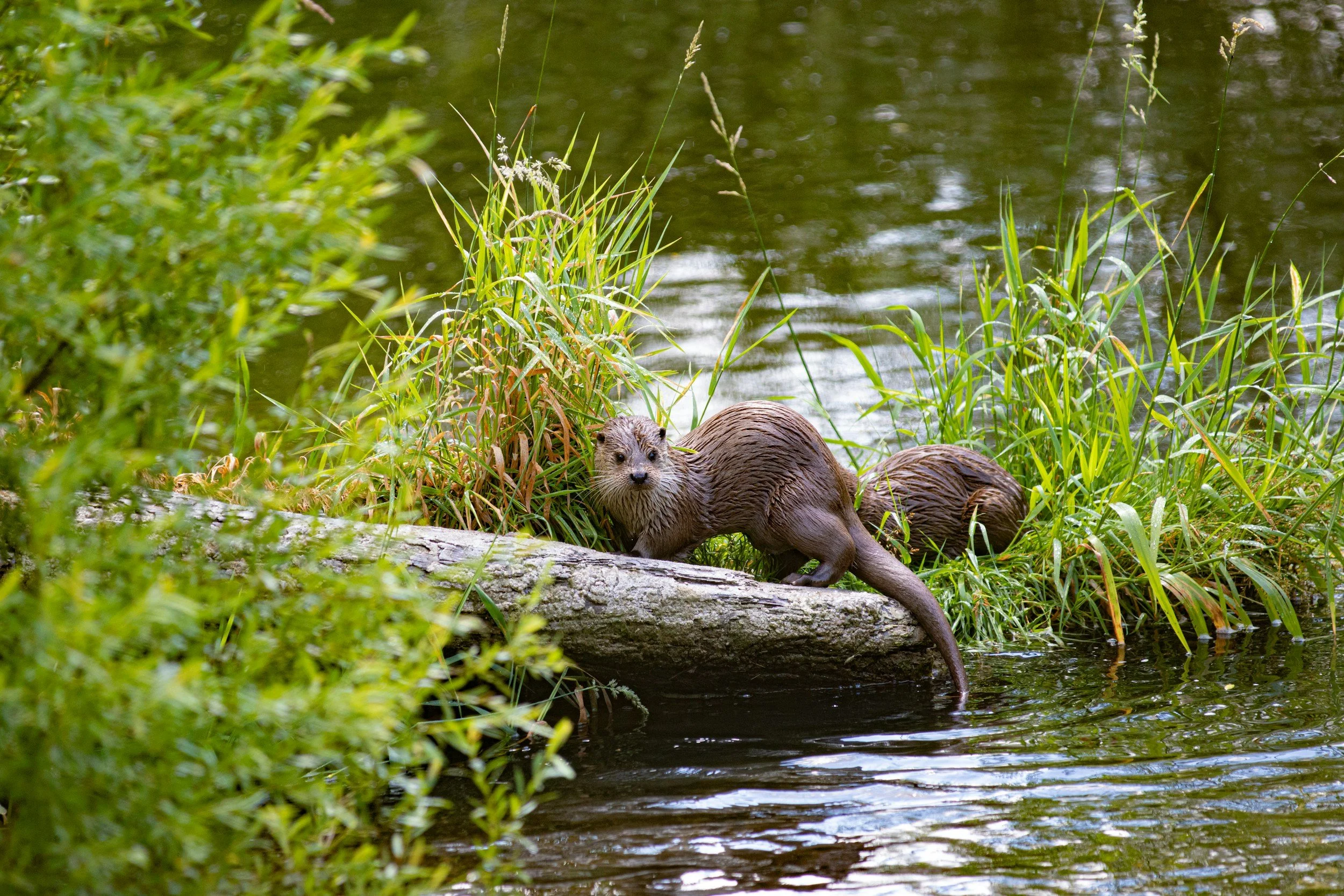
Wildlife that live in environments with a limited amount of water are more susceptible to disease, predation, and competition with other animals for vital resources.
Reduced water levels in streams, rivers, lakes, and reservoirs often result in a higher concentration of chemicals and toxins in the water, negatively impacting aquatic species.
-
Water scarcity disrupts ecosystems, reduces biodiversity, and increases the risk of wildfires and dust storms.
-
Water scarcity can disrupt major industries, such as manufacturing and agriculture, potentially leading to job losses and economic decline. When a water shortage occurs, water bills often skyrocket, affecting the entire community.
-
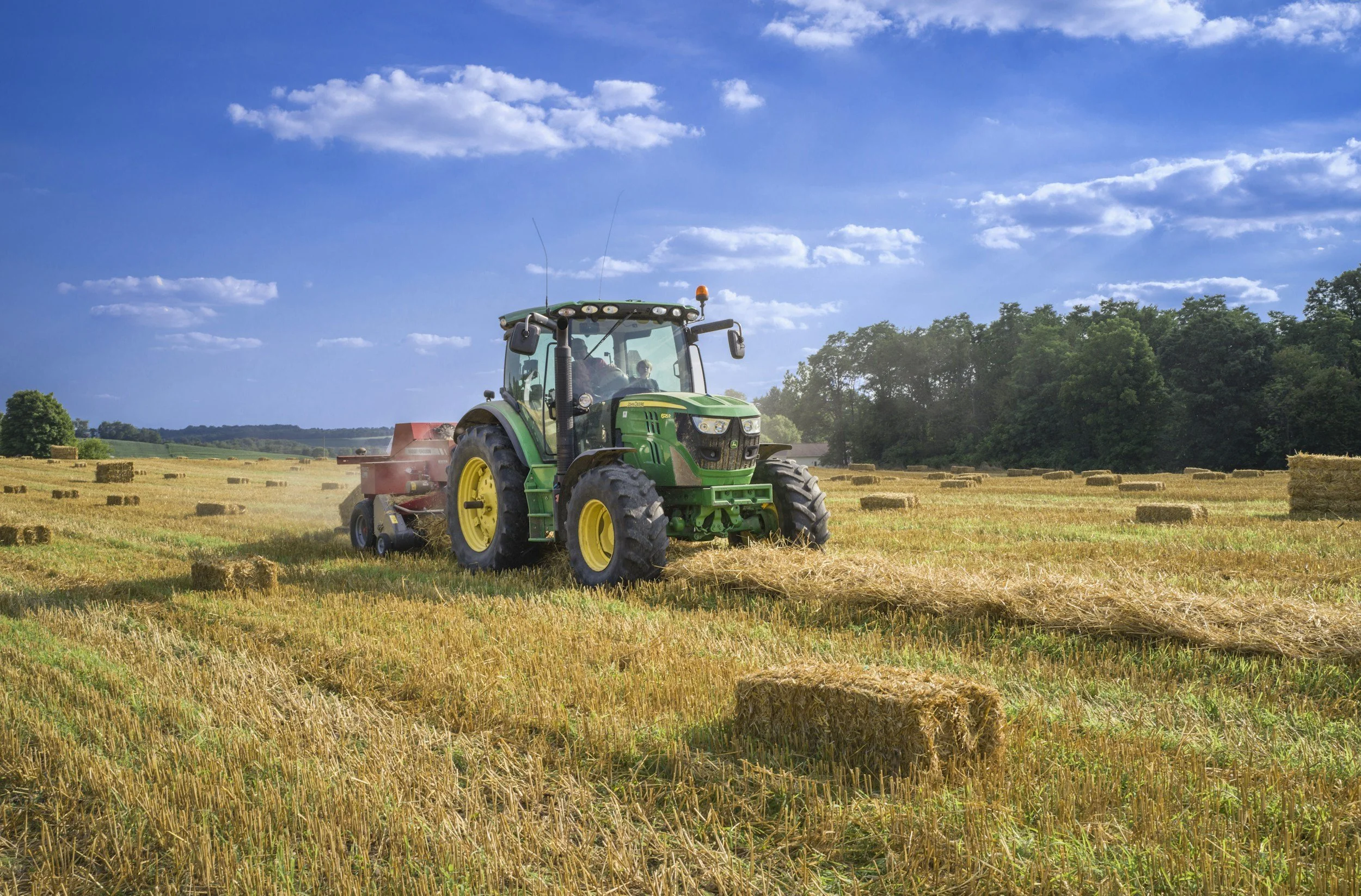
Today, around 70% of global freshwater withdrawals are used for agriculture. Water scarcity, particularly during drought, can lead to reduced crop yields, higher production expenses, and livestock losses. In the United States, just agriculture alone is estimated to lose billions of dollars annually due to water shortages.
-
According to the World Wildlife Fund, 1.1 billion people around the world lack access to water. Additionally, 2.7 billion people find water to be scarce for at least one month out of the year. When water is scarce, the risk of disease transmission increases due to the limited water supply.
Impacts of Water Scarcity
Water Available for Human Use
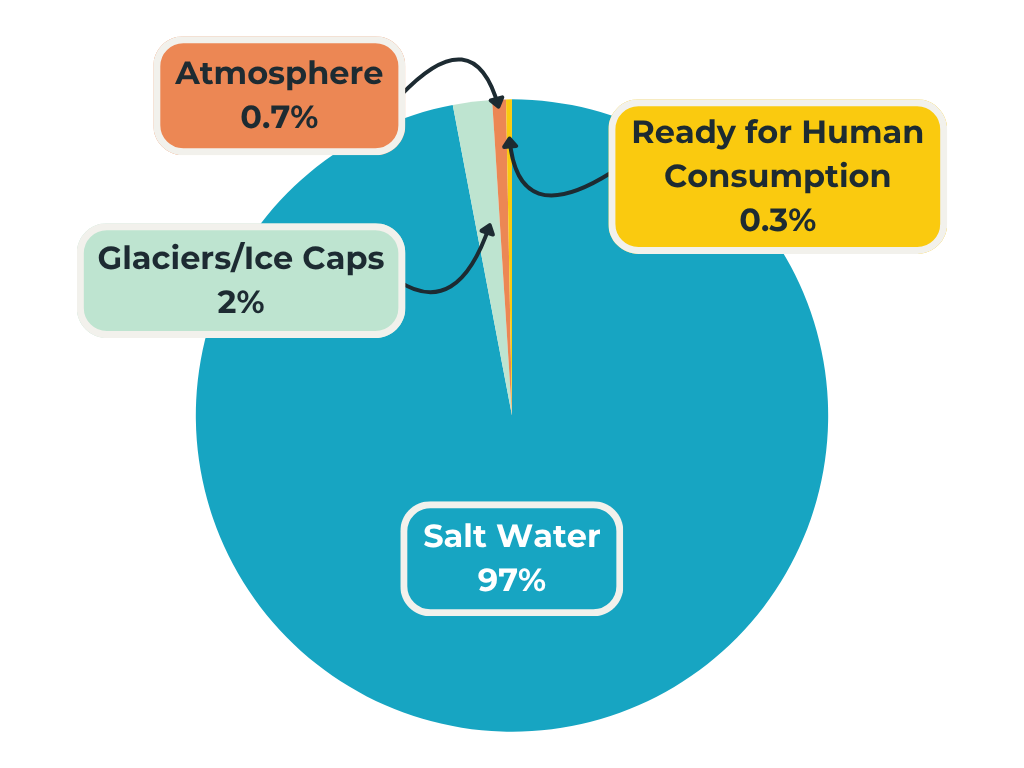
Although water makes up roughly 71% of Earth's surface, less than 1% is available for human use. Saltwater, which makes up over 97% of the planet's total water supply, is not potable for humans. Of the 3% of Earth's water that is freshwater, 99% of it lies in groundwater, glaciers, or polar ice caps, much of which is inaccessible. Of the 1% left, over half is found in ground ice and permafrost, leaving humanity with access to less than 0.5% of surface freshwater resources, such as rivers and lakes.
Aquifers serve as a major source of stored fresh water for drinking, irrigation, and industrial use for people worldwide. According to the South Dakota Department of Agriculture and Natural Resources, South Dakota gets almost 78% of its water from groundwater in numerous aquifers across the state. Due to human demand, the depletion rate of aquifers exceeds the recharge rate, resulting in a continuous decline in aquifer levels. Overusing water can lead to issues such as land subsidence, a reduction in water quality, and reduced future availability.
Although water constantly cycles through the water cycle, it doesn't always return to the same places. The inconsistent distribution of water through processes such as precipitation and evaporation makes it a limited resource for human use.
Water Usage
According to the Environmental Protection Agency, American households use an estimated 29 billion gallons of water daily across the United States. On average, each American family uses up to 300 gallons of water per day, 70% indoors and 30% outdoors. Indoor use may include water used for toilets, showers, sinks, dishwashers, and washing machines. Outdoor use may include filling swimming pools or irrigating lawns, gardens, and landscaping. The total amount of outdoor water use varies based on seasonality and a home's location, with water use increasing during hot summer months. Given the limited amount of freshwater available, we must recognize that our current water use is unsustainable.
Household Water Use
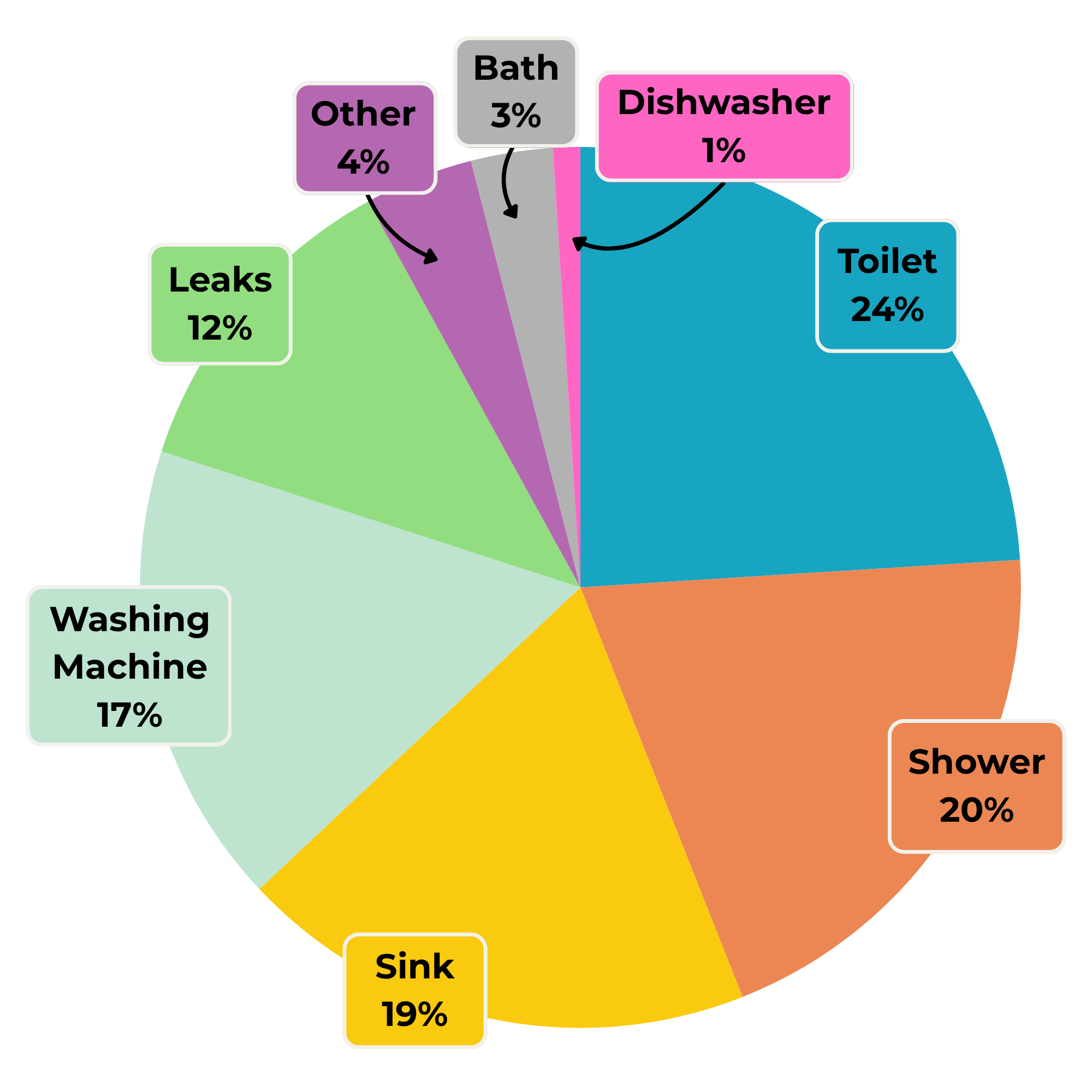
Water Use Fast Facts
An old showerhead can use up to 5 gallons of water per minute, while a new water-efficient showerhead uses only 2 gallons per minute.
The average bathtub requires 36 gallons of water to fill.
An old bathroom faucet uses approximately 2 gallons of water per minute. In contrast, a new water-efficient faucet uses less than 1 gallon per minute.
Watering an average-sized lawn for 20 minutes every day for 7 days is equal to taking more than 800 showers.
One load of laundry uses about 30-40 gallons in a traditional washer, but only 15-25 gallons in a high-efficiency one.
A leaky faucet dripping once per second can waste over 3,000 gallons a year!
Letting a faucet run for five minutes uses about as much energy as running a 60-watt light bulb for 14 hours.
Delivering and treating the water you use every day requires a lot of energy. The annual energy used to deliver and treat water for just 10 households could power a refrigerator for more than two years.
Homes with electric water heaters spend approximately one-fourth of their total electric bill on heating water.
How to Save Water
In Your Home
Take a shower instead of a bath. Use a timer to keep your shower short, ideally under 5 minutes.
Turn off the tap while brushing your teeth or shaving.
If washing dishes by hand, plug the sink and don't let the water run continuously.
Use a dishwasher, and make sure it is fully loaded.
Scrape your plate instead of rinsing it before placing it in the dishwasher.
Wash only full loads of laundry or use the appropriate water level or load size selection on the washing machine.
To save money on energy bills, set your washing machine to use cold water rather than hot or warm water.
Be a leak detective! Check all hoses, connectors, toilets, and faucets regularly for leaks.
Install water-efficient fixtures and appliances. Look for products that have the WaterSense label.
Outdoors
Water your yard first thing in the morning when it's not as hot and sunny outside.
Sweep driveways, sidewalks, and steps rather than hosing them off.
Use a commercial car wash that recycles water instead of washing your car in the driveway.
If you have a pool, use a cover to reduce evaporation when it's not in use.
Create a water-smart landscape by planting native plants, which are more drought-tolerant.
Install a rain barrel to collect water to use for watering your plants.
Sioux Falls Water Usage
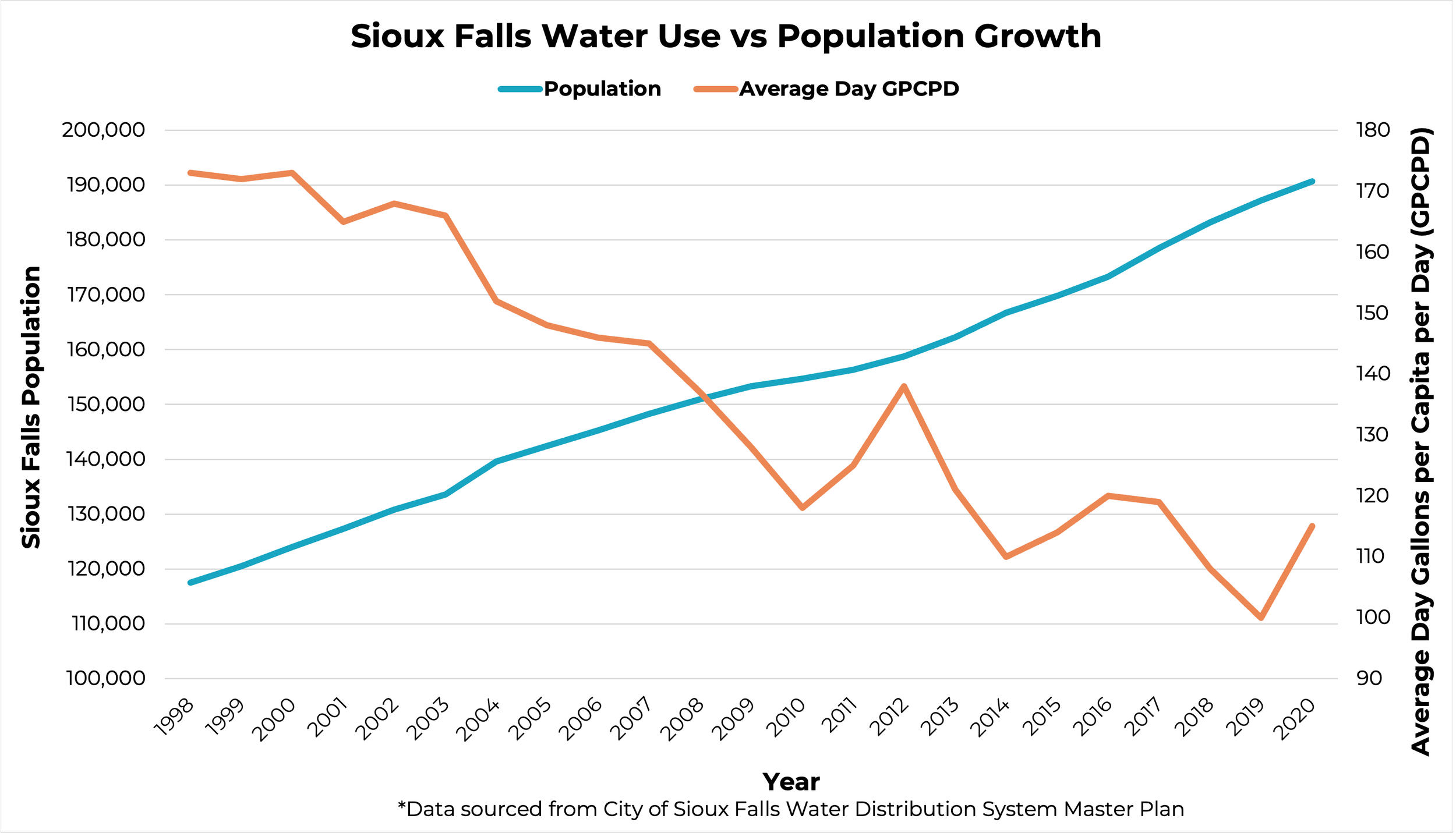
The water usage in Sioux Falls has increased alongside its growing population. According to reports from the City of Sioux Falls, the population of the City in 1998 was 117,500 people. At that time, the City provided approximately 20.3 million gallons per day for use in homes, schools, hospitals, and businesses, which equated to each person using 173 gallons of water per day on average. By 2024, the population of Sioux Falls had risen to 219,588 people. That year, the City reported providing an average of 23.01 million gallons per day to residents and businesses, which equated to each person using 105 gallons of water per day. The decrease in per capita water usage indicates that Sioux Falls has become more efficient with their water use, even as total consumption has increased with the growing population.
The Water Cycle
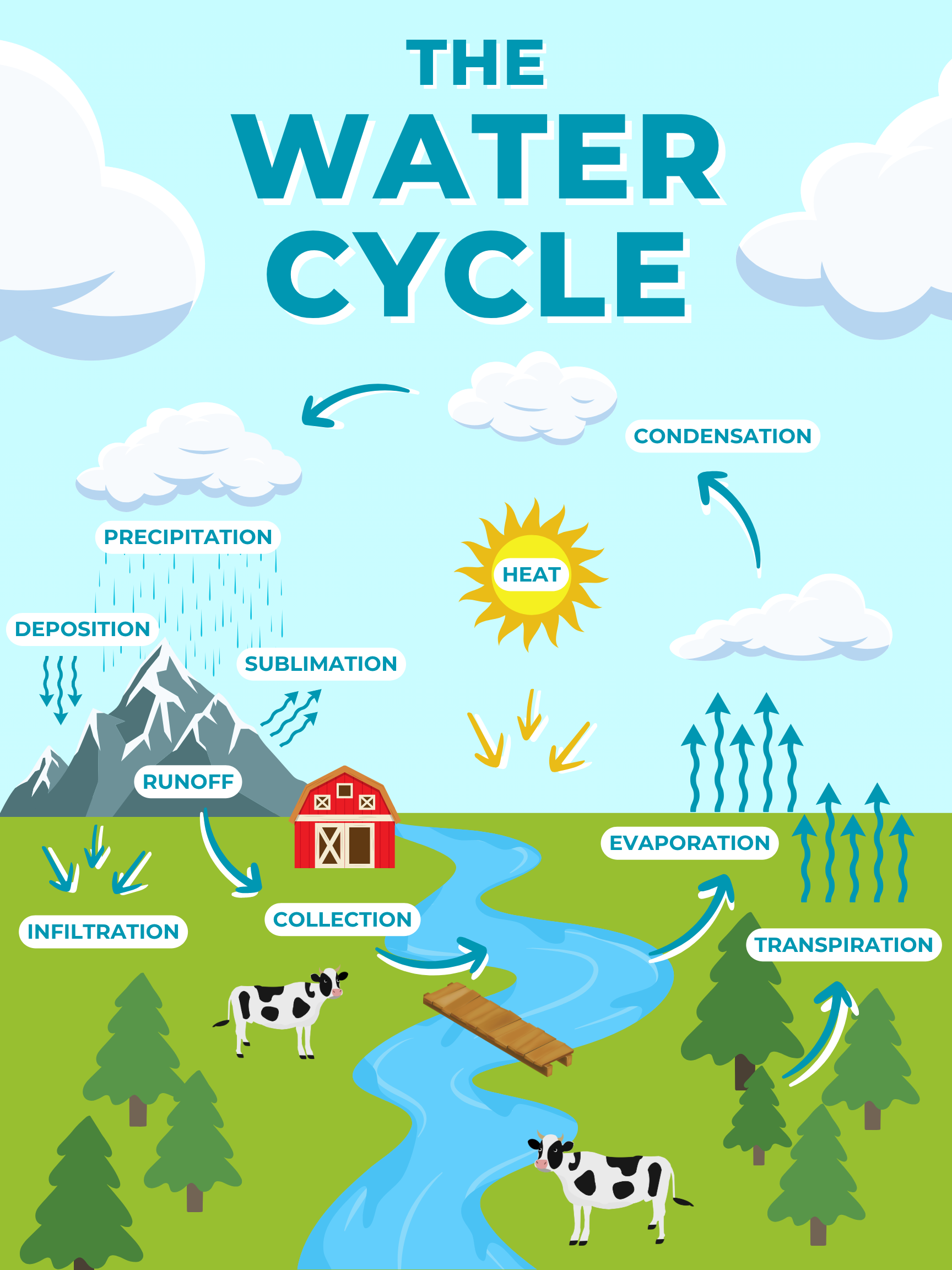
The water cycle is the continuous movement of water on, above, and below the Earth's surface. It involves several key processes that transfer water through liquid, solid, and gas forms. This cycle is crucial for maintaining Earth's ecosystems, regulating climate, and providing an essential resource for all living organisms.
-
Evaporation is the process by which water from oceans, lakes, rivers, and other waterbodies turns into water vapor. This process occurs when energy from the sun forces the bonds that hold water molecules together to break, causing them to become a gas. An example of evaporation is a puddle drying up after the sun comes out following a rainstorm. Approximately 90% of water vapor in our atmosphere comes from evaporation.
-
Transpiration is the process by which liquid water evaporates from the leaves of plants. After a plant's roots uptake water from the soil, the water moves through the plant's tissues before being released as water vapor into the atmosphere. Approximately 10% of water vapor in our atmosphere comes from transpiration.
-
Condensation is the process by which water vapor turns into water droplets. As water vapor rises into the atmosphere and cools, it condenses, forming small droplets of water that turn into clouds. Condensation also occurs at ground level, resulting in the formation of fog and dew. An example of condensation is the appearance of water droplets on the outside of a cold soda can.
-
Sublimation is the process by which snow or ice turns directly into water vapor without going through the liquid melting phase.
-
Deposition is the process by which water vapor directly turns into ice without passing through the condensation phase, resulting in a phenomenon such as hoar frost.
-
Precipitation occurs when water droplets in clouds combine and grow heavy enough to fall back to Earth as rain, snow, sleet, or hail. The type of precipitation depends on the temperature of the cloud and the temperature of the air between the cloud and the ground.
-
Runoff is water that flows over the land's surface. Runoff often occurs after a precipitation event when water begins to move downhill or towards an area of lower elevation. Eventually, runoff will either seep into the ground or flow into a body of water, such as a stream, river, lake, or ocean. Surface runoff often increases in urban areas, where paved surfaces and buildings prevent water from infiltrating the ground.
-
Infiltration occurs when water soaks into the soil from the above-ground surface. Percolation occurs when infiltrated water seeps deeper through layers of soil and rock into groundwater and aquifers.
-
When water is not actively moving through the water cycle, it is stored in the atmosphere, on the ground's surface, or underground. Depending on the location, water may be stored as water vapor, liquid water, ice, or snow. Examples of water storage reservoirs include oceans, lakes, glaciers, aquifers, and rivers.
The information on this page was researched, written, and designed by the 2024 Jefferson High School AP Environmental Science classes with editing by Friends of the Big Sioux River.