
DIY Projects
Rain Barrels

Benefits
Rain barrels have a variety of benefits for both the homeowner and the watershed.
-
Collection of rainwater prevents it from becoming polluted runoff. Once the water is used on a lawn, it can slowly infiltrate the ground, preventing pollution from reaching our waterways.
-
Rain is natural, so collecting it does not use water resources in the same way that treated municipal water does.
-
Large rain events can lead to flooding in yards. Rain barrels collect a significant amount of water that can be released slowly to prevent flooding.
-
Using water from a rain barrel reduces the amount of municipal water you need to use outdoors. A rain barrel should have a return on investment in as short as one to two years.
Debunking Rain Barrel Myths
There is a lot of misinformation about owning a rain barrel.
-
Rainwater collection is only regulated in a few U.S. states, which does not include South Dakota. It is legal—and sometimes encouraged—in many cities within the watershed.
-
When a rain barrel is properly covered, insects of any kind cannot access the water.
-
If placed on a sturdy surface with the overflow directed the right way, rain barrels can actually prevent flooding.
-
Rain barrels come in a variety of styles, not just the classic bright blue plastic drum. Some people even paint their rain barrels.
-
Most rain barrel projects cost under $100. If aesthetics are not important to you, the whole project could be less than $50.
Interested? You can find more info below!
Rain Gardens
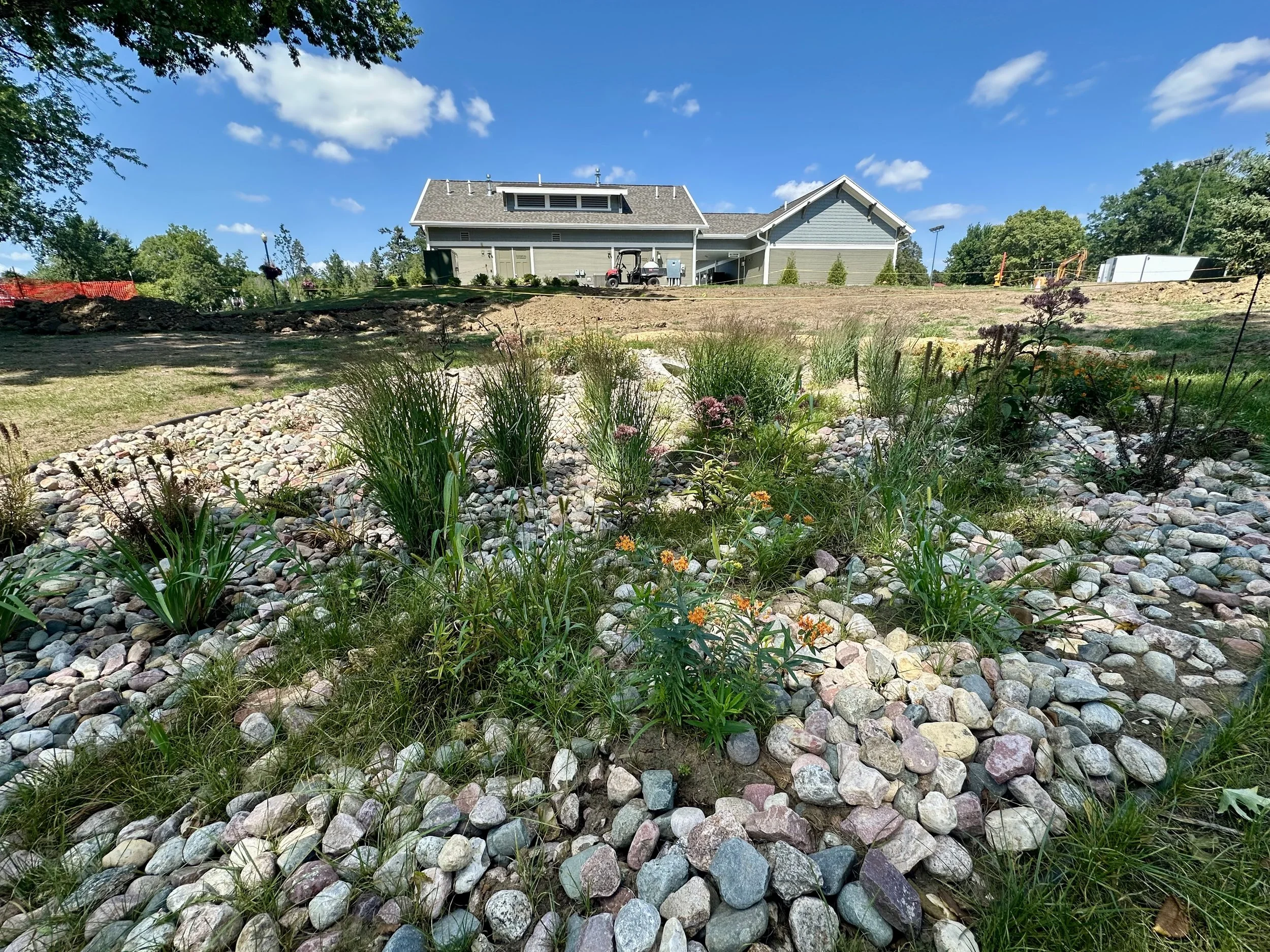
Rain gardens are a great DIY project that can improve the water quality of the watershed and provide multiple benefits to one’s yard.

Improve Water Quality
Rain gardens collect polluted stormwater and use native plants as a natural filter. When rain gardens intercept stormwater, they prevent pollution from reaching our waterways.

Lower Yard Maintenance
The native plants used in rain gardens require less water, fertilizer, and other care than a typical lawn. Additionally, intentionally collecting excess water can prevent water damage in other parts of your yard.

Habitat for Pollinators
Rain gardens rely on native plants to function properly. These plants are attractive to pollinators who are essential to our ecosystem.

Aesthetically Pleasing
The combination of native plants and the wildlife they attract is more visually appealing than a flooded section of lawn.
Interested? You can find detailed information at the links below:
Other Ways to Help
Simple Ways to Help
Read more about daily changes you can make as an urban resident or as a rural resident, and why these actions help our watershed.
For Brookings, SD Residents
This program offers up to $50 reimbursement on rain barrels and between $50 to $500 on native plants. Check out their website to see more details.