Education
Stormwater runoff, sewage contamination, trash, invasive plants, soil erosion, and uninformed daily actions are all problems that continue to plague the Big Sioux River, its watershed communities, and wildlife. People want to help, but often do not understand the issues completely or feel that they lack the power to make a difference.
Friends of the Big Sioux River works to offer an answer by engaging residents of all ages in meaningful education programs where participants learn about the issues through hands-on educational experiences and become part of an on-going effort to protect and restore the Big Sioux River and its watershed communities. Our goal is to increase awareness, knowledge, skills, and a sense of stewardship among watershed residents (youth to adult) that will result in changes in both present and future behavior, positively affecting the health of the river.
Are you ready to have FBSR visit your classroom or community group?
Contact Emily at outreach@friendsofthebigsiouxriver.org to schedule your customized presentation or hands-on learning opportunity today!
Friends of the Big Sioux River offers a number of presentations for middle school, high school, college, and community groups. Our two most popular presentations center around water quality and water quantity in the Big Sioux River watershed. We will also work with you to create a custom presentation based on the needs of your students or community group.
Presentations
-
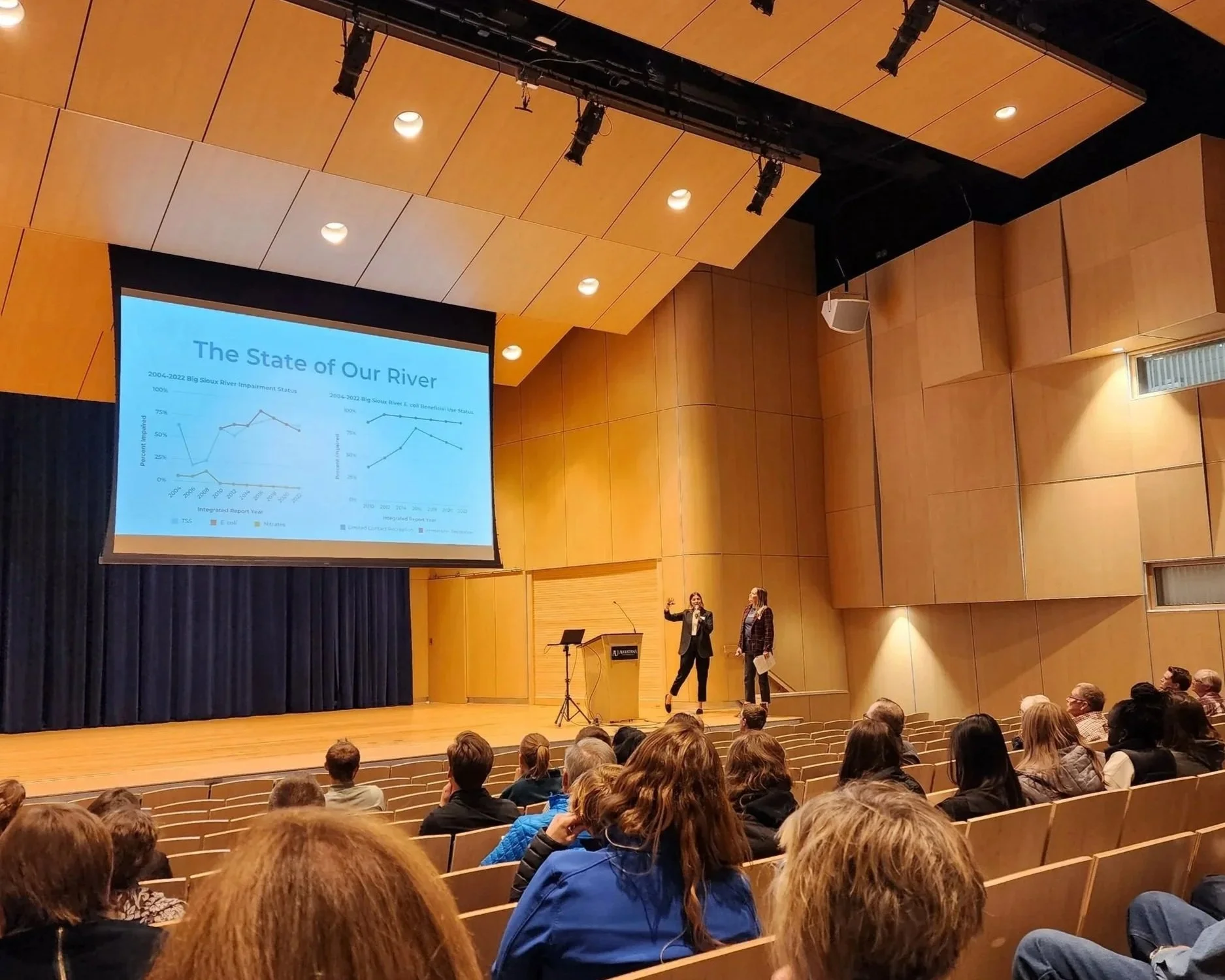
Water Quality Presentation
Learn MoreOur water quality presentation covers the following topics:
Water quality basics
Watershed basics
Common contaminants
Water quality in the Big Sioux River watershed
How to improve water quality in urban and rural areas
This presentation lasts for approximately 45 minutes, but it can be adjusted to fit your time needs.
-

Water Quantity Presentation
Learn More
Our water quantity presentation covers the following topics:
Water quantity basics
Precipitation and drought trends
Water use statistics
The future of water in South Dakota
How to save water in urban and rural areas
This presentation lasts for approximately 45 minutes, but it can be adjusted to fit your time needs.
-
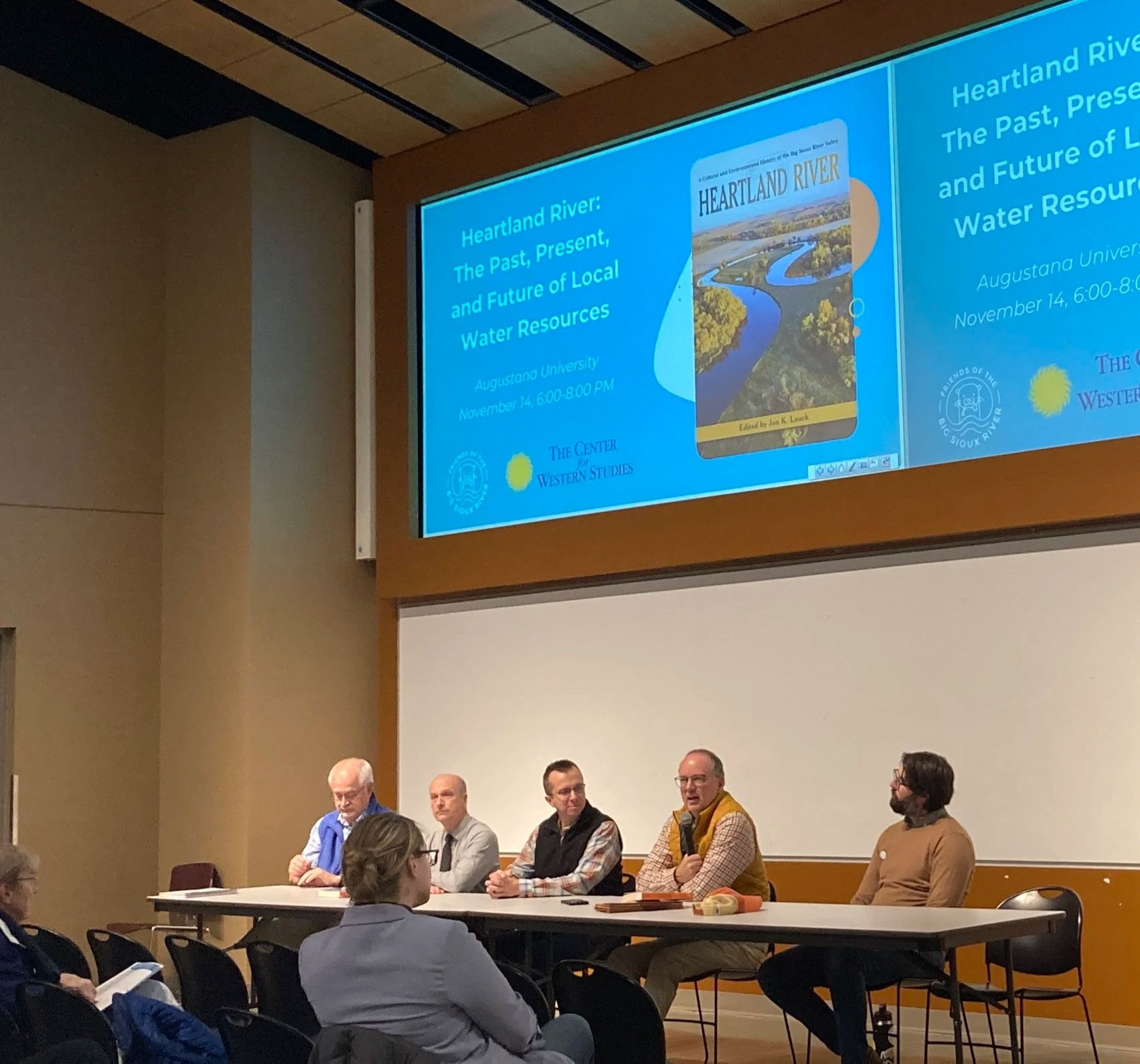
Customized Presentation
Learn MoreFBSR will create a custom presentation to fit the needs of your students or community group. Topics we can cover include:
Water quality basics
Water quantity basics
Watershed basics
Common contaminants
Water quality in the Big Sioux River watershed
How the Big Sioux River contributes to the Dead Zone
How to improve water quality in urban and rural areas
Precipitation and drought trends
Water use statistics/trivia
The future of water in South Dakota
How to save water in urban and rural areas
PreK-12 Activities
Friends of the Big Sioux River offers a variety of free hands-on activities for students of all ages to learn about the Big Sioux River. From in-classroom hands-on learning opportunities to immersive field experiences, there is something for everyone! We will work with you to create a custom lesson based on the needs of your students. Learn more about each of the activities below!
-
Aquatic Macroinvertebrate Investigation
Activity Type: Field trip to a local waterbody
Age Group: Elementary School through High School
Class Size: Up to 25 students
Time: ~1-2 hours
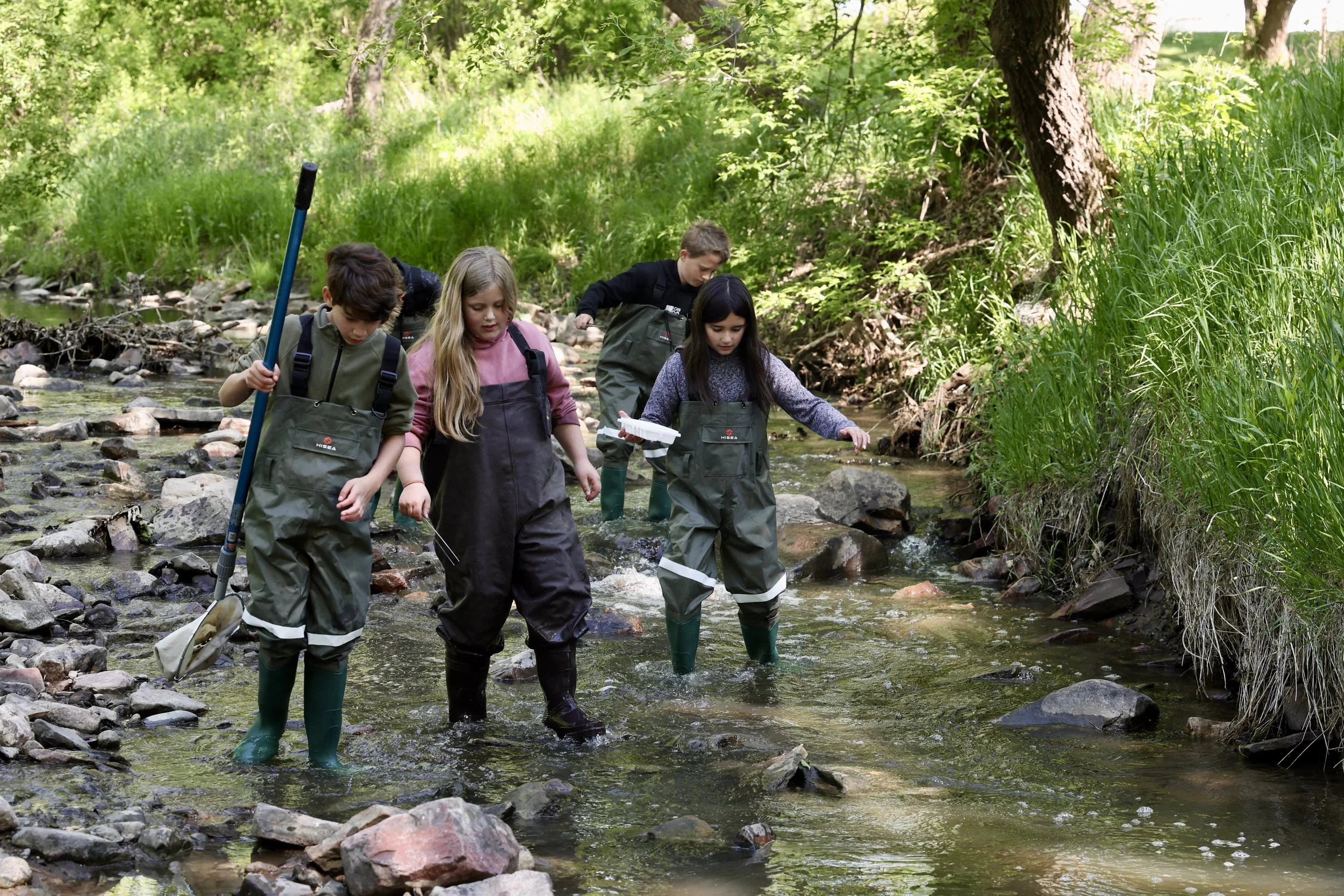
Learn MoreIn this hands-on field trip, students explore a nearby waterbody to investigate aquatic macroinvertebrates, including dragonfly nymphs, mayfly nymphs, aquatic worms, and others. These organisms serve as indicator species, offering insights into the water's pollution levels. The activity is adaptable for K-12 students, catering to different age groups with varying levels of involvement.
Students don waders to venture into the water, gathering macroinvertebrates by hand and with nets. Back on shore, students use dichotomous keys to identify and assess the bugs they gather. By analyzing the species present, students determine the waterbody's pollution status. FBSR supplies all necessary materials for this field exploration of local aquatic ecosystems.
-
The Big Sioux and YOU!
Activity Type: Hands-on activity with optional PowerPoint
Age Group: Middle School through High School
Class Size: Up to 25 students
Time: ~30 minutes for activity, ~1.5 hours with presentation and activity
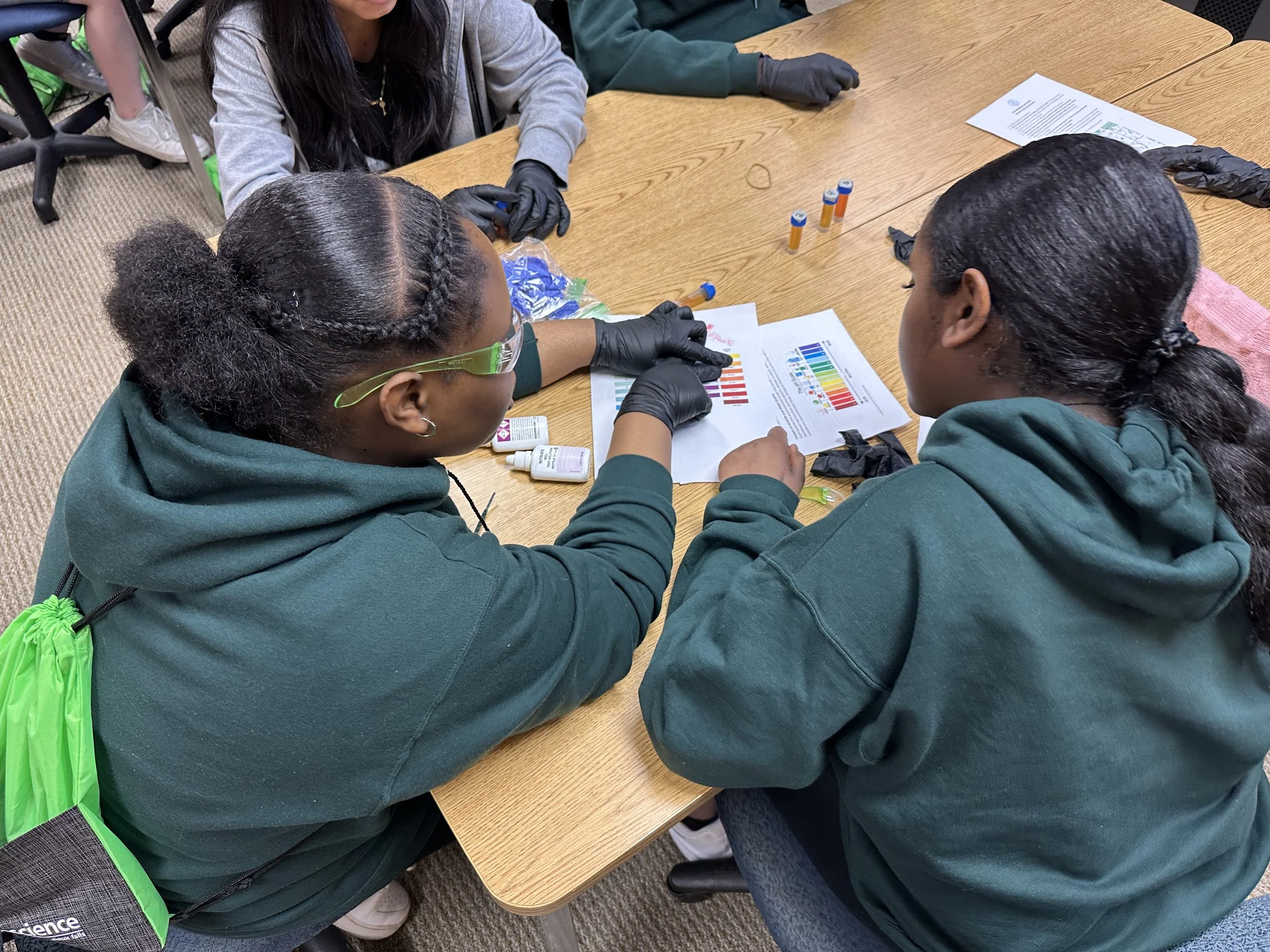
Learn MoreIn this activity, students analyze pre-collected water samples from five Big Sioux River locations around Sioux Falls. Students test the samples for pH, total dissolved solids, nitrates, ammonia, and nitrites. Based on their findings, students use the data to determine the water quality of the river. A PowerPoint presentation is available to accompany this activity for students to learn more about the water quality of the Big Sioux River.
This activity can also be modified into a field trip experience. During the field trip, students will collect the water samples at one or two locations along the Big Sioux River and analyze the samples directly in the field. This experience gives students an even greater hands-on approach to water quality sampling. FBSR will provide all of the materials to complete this activity.
-
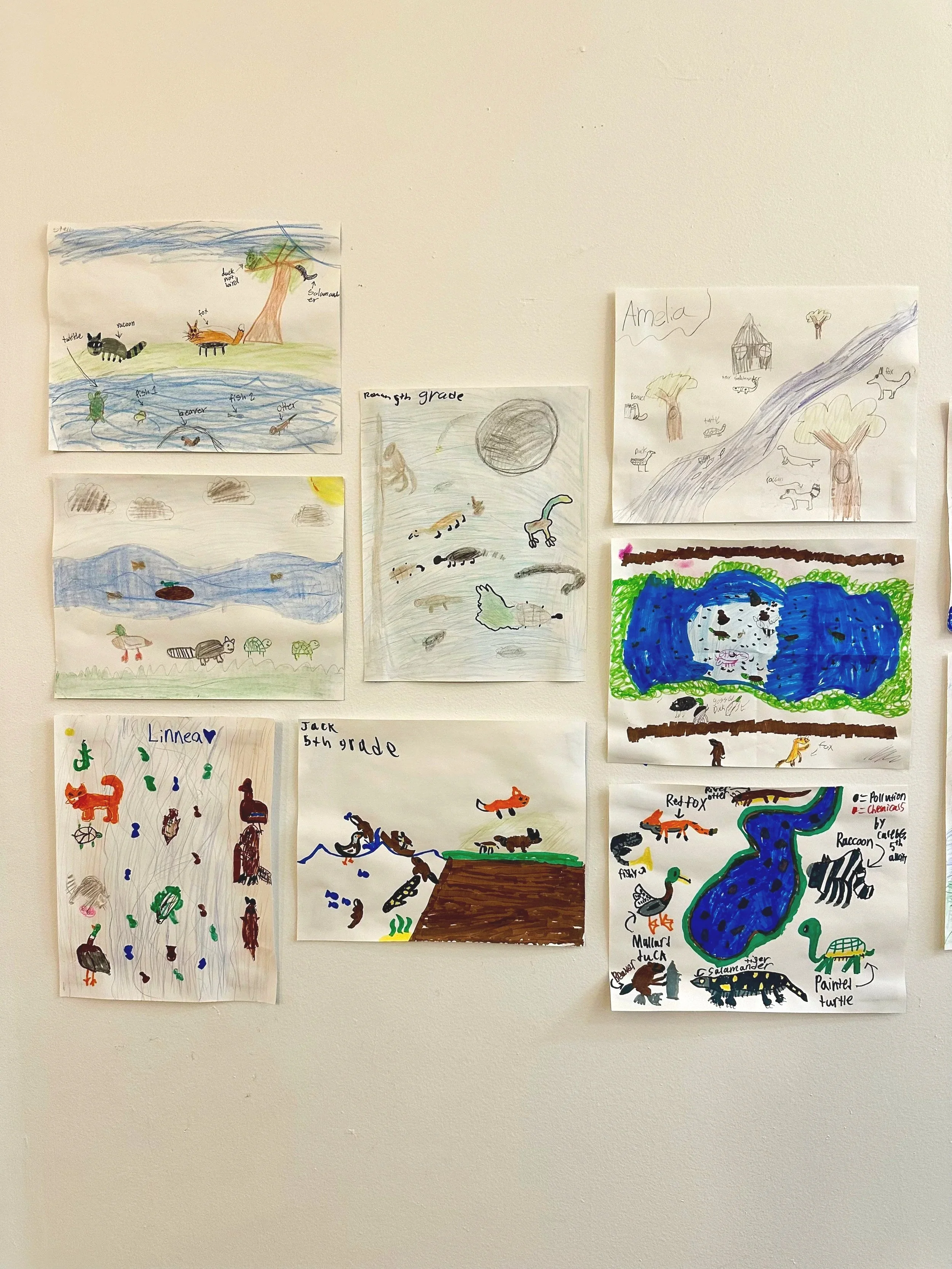
Animals of the Big Sioux River Watershed
Activity Type: PowerPoint presentation with accompanying art project
Age Group: Elementary School
Class Size: Up to 50 students
Time: ~45 minutes
Learn MoreIn this engaging presentation, students delve into the diverse ecosystem of a watershed, discovering the myriad animals that inhabit its waters and shores. Throughout the presentation, each student draws their own river scene on paper while learning about the various animals indigenous to the watershed, gaining insights into their habitats, behaviors, and roles within the ecosystem. By visualizing and illustrating these concepts, students not only enhance their artistic skills but also develop a heightened awareness of environmental issues affecting local wildlife and the importance of safeguarding water resources.
-
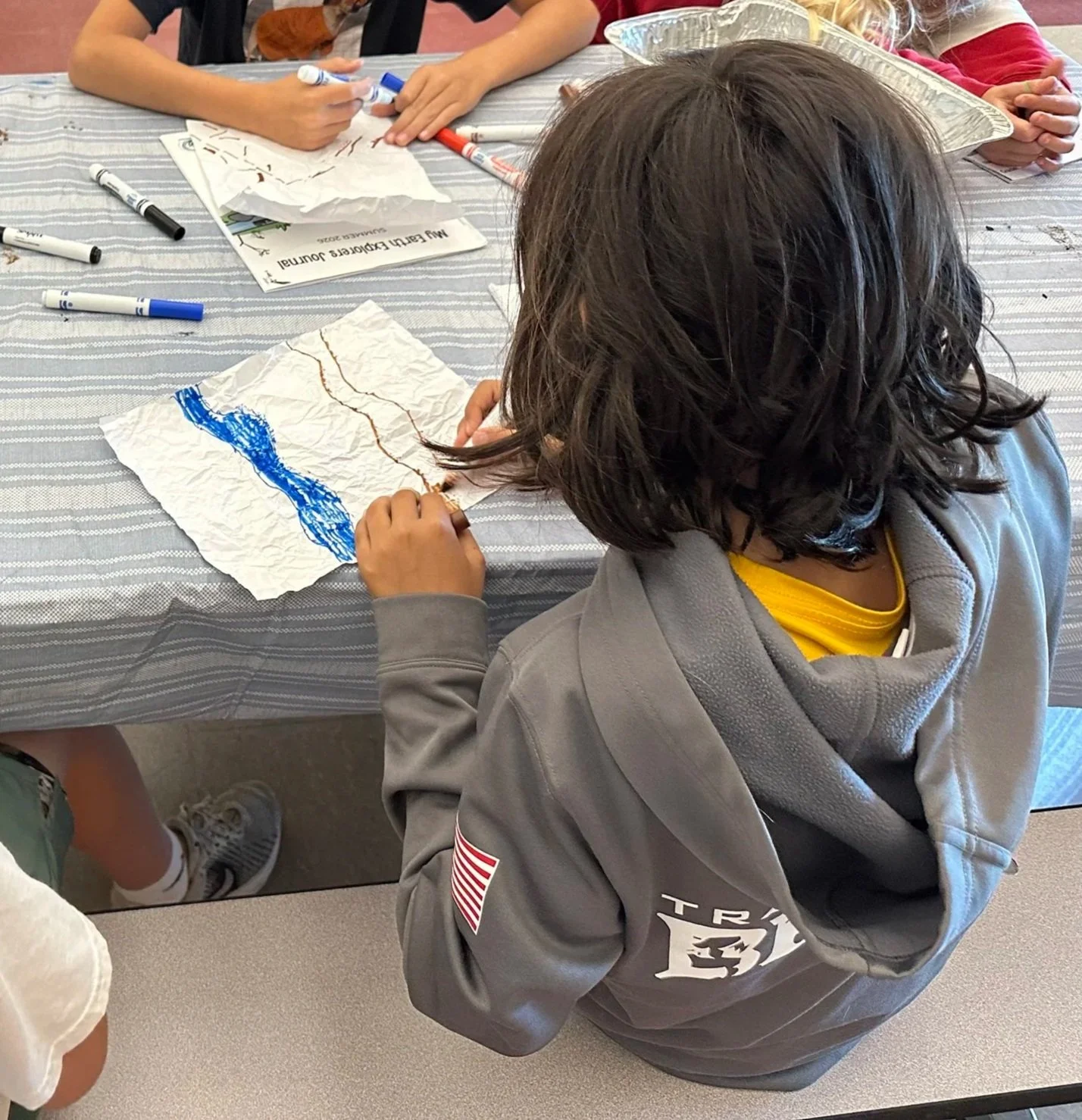
Crumpled Paper Watershed
Activity Type: Hands-on activity with optional PowerPoint and worksheet
Age Group: Elementary School through Middle School
Class Size: Up to 25 students
Time: ~30 minutes for activity, ~1 hour with presentation and activityLearn More
In this activity, students create a model watershed using a crumpled piece of paper and markers. After completing their model, they spray the paper to see where water flows when it rains. The activity is then repeated a second time. In experiment #2, students draw houses, farms, factories, and roads on their paper. This time, when it "rains," students see how people and communities can impact water quality. A PowerPoint and worksheet can be added to this activity depending on the age level and time allotment.
-
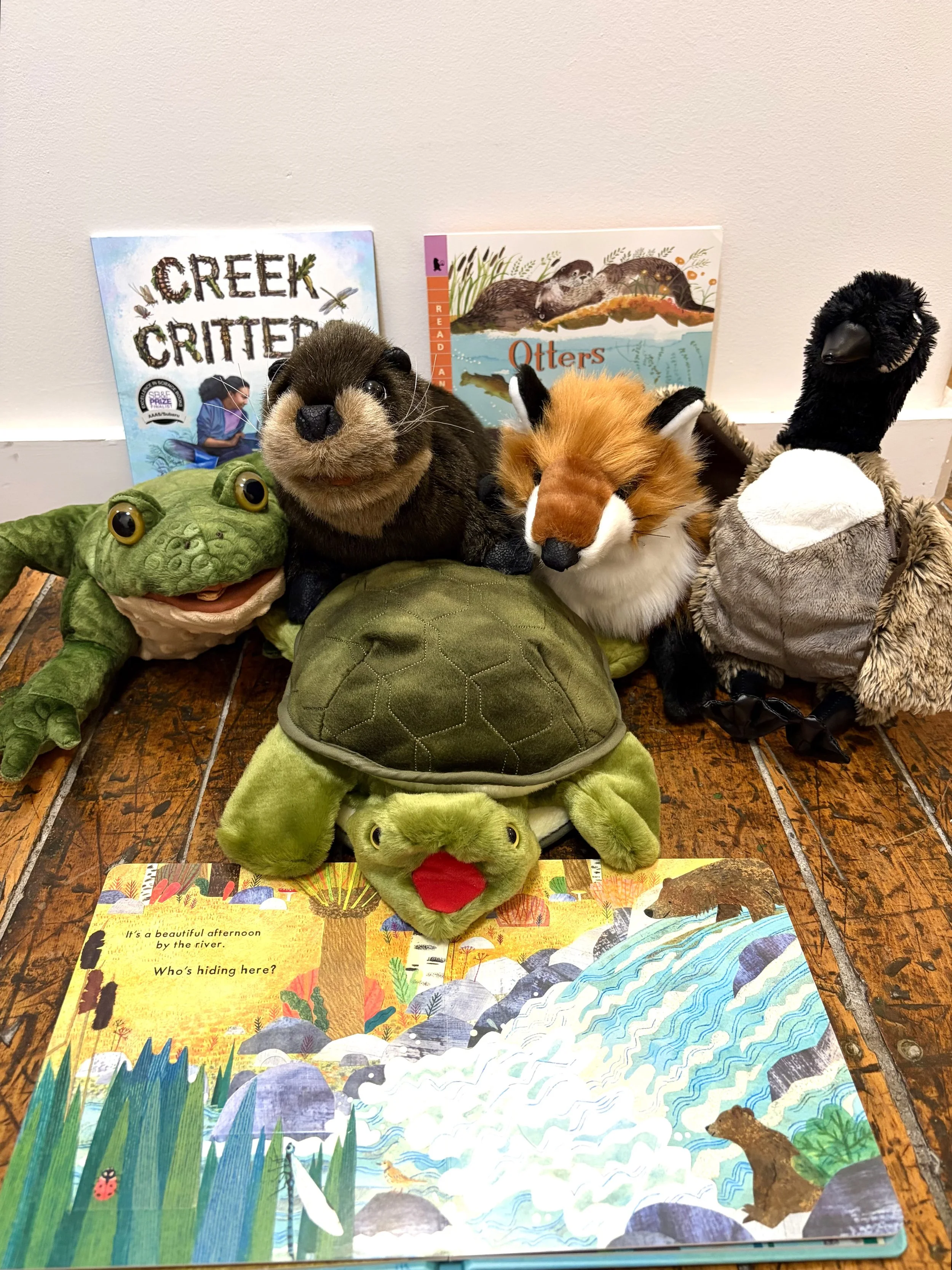
Puppet Pals and River Tales
Activity Type: Story Time, Puppet Show, and Optional Activity
Age Group: Preschool through 1st Grade
Class Size: Up to 15 students
Time: ~30 minutes with additional time for an activity if desiredLearn More
In this interactive, story-based program, preschool students explore the world of water through a story of their choice, with several age-appropriate books available featuring topics such as local animals, the water cycle, and water pollution. Using puppets and imaginative play, students bring the story to life as they meet animal characters, learn about their homes and what they need to survive, and discover how pollution can affect the places they live. Students are encouraged to participate by answering questions and helping the characters solve problems. Through storytelling and play, children build an early connection to their local waterways and learn simple ways they can help protect water and wildlife. This program can also be paired with an age-appropriate activity or craft for children to take home.
-
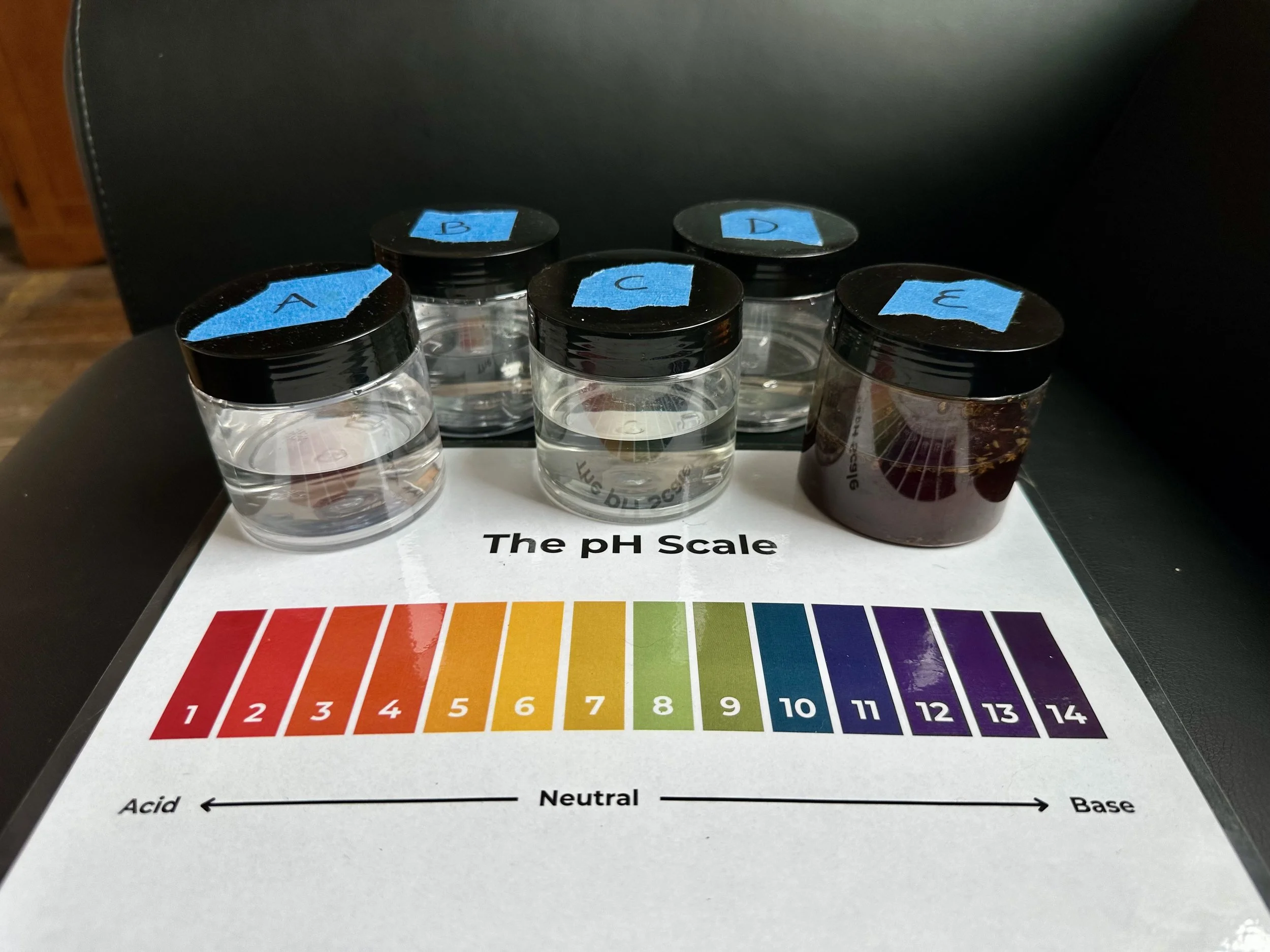
Water Detectives: Unveiling the Secrets of Water Quality
Activity Type: Hands-On Activity
Age Group: Upper Elementary School through Middle School
Class Size: Up to 25 students
Time: ~30 minutes
Learn MoreIn this activity, students engage in a hands-on exploration of water clarity and cleanliness. Students conduct basic experiments on jars filled with various substances, such as vinegar, tap water, and 7-Up, to investigate how appearances can be deceiving when assessing water quality. Throughout the activity, students discover that even seemingly clear water can harbor pollutants that are invisible to the naked eye. This educational approach not only enhances their scientific inquiry skills but also fosters an understanding of the complexities involved in assessing environmental health and safety.
-
The Incredible Journey
Activity Type: Hands-On Activity
Age Group: Elementary through High School
Class Size: Up to 25 students
Time: ~30 minutesLearn More
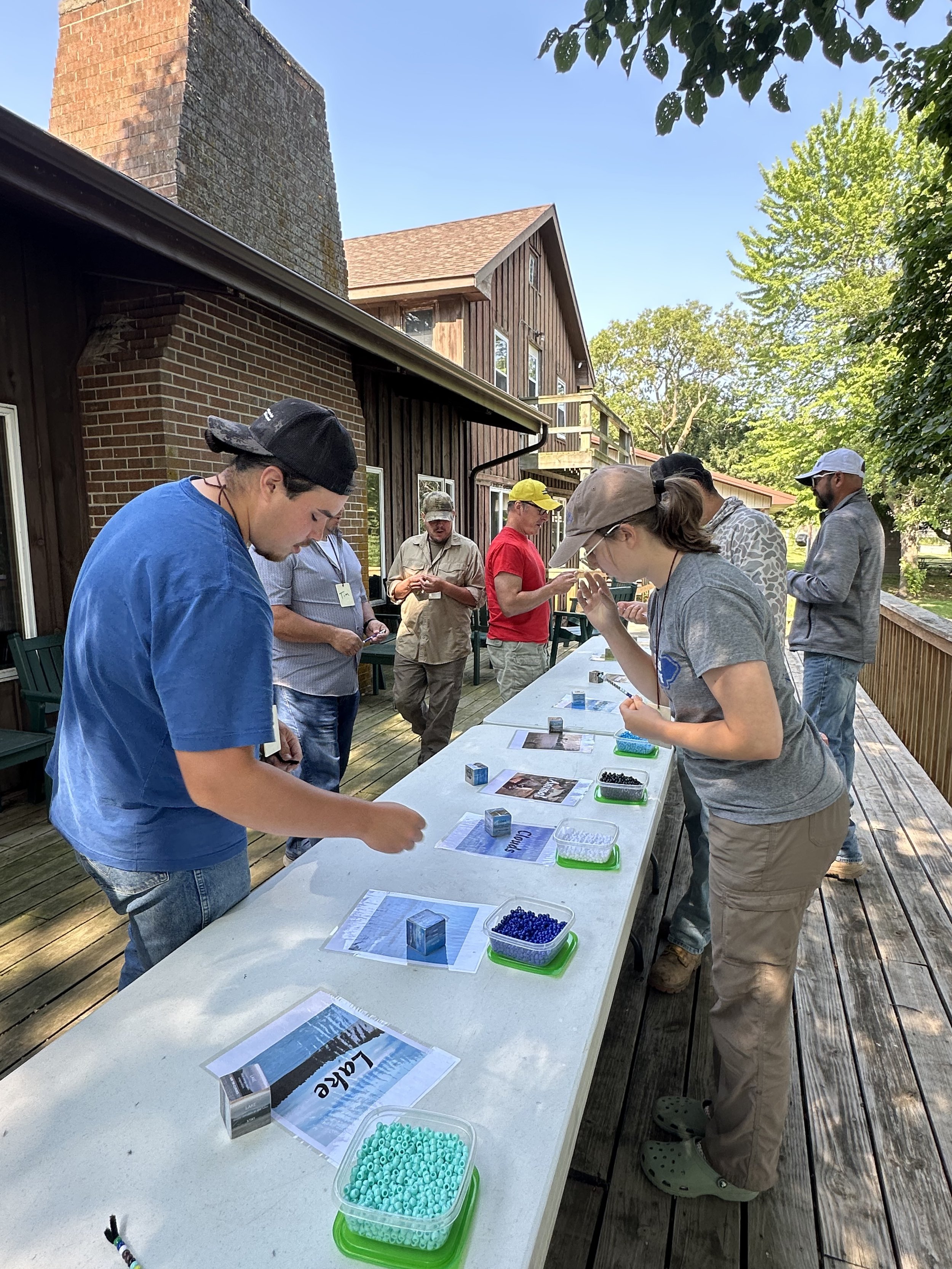
In this interactive activity, students become water droplets and embark on an incredible journey through the water cycle. Moving between different stations representing parts of the Earth's water system, students discover how water travels through the atmosphere, land, waterways, and living things. Through movement, role-playing, and discussion, students experience the many different pathways water can take and learn that the water cycle is more complex than a simple circle. This hands-on activity helps students better understand how water moves through our world and the important connections between water, people, and the environment.
-
Water Cycle in a Bag
Activity Type: Hands-On Activity
Age Group: Upper Elementary through Middle School
Class Size: Up to 25 students
Time: ~30 minutesLearn More
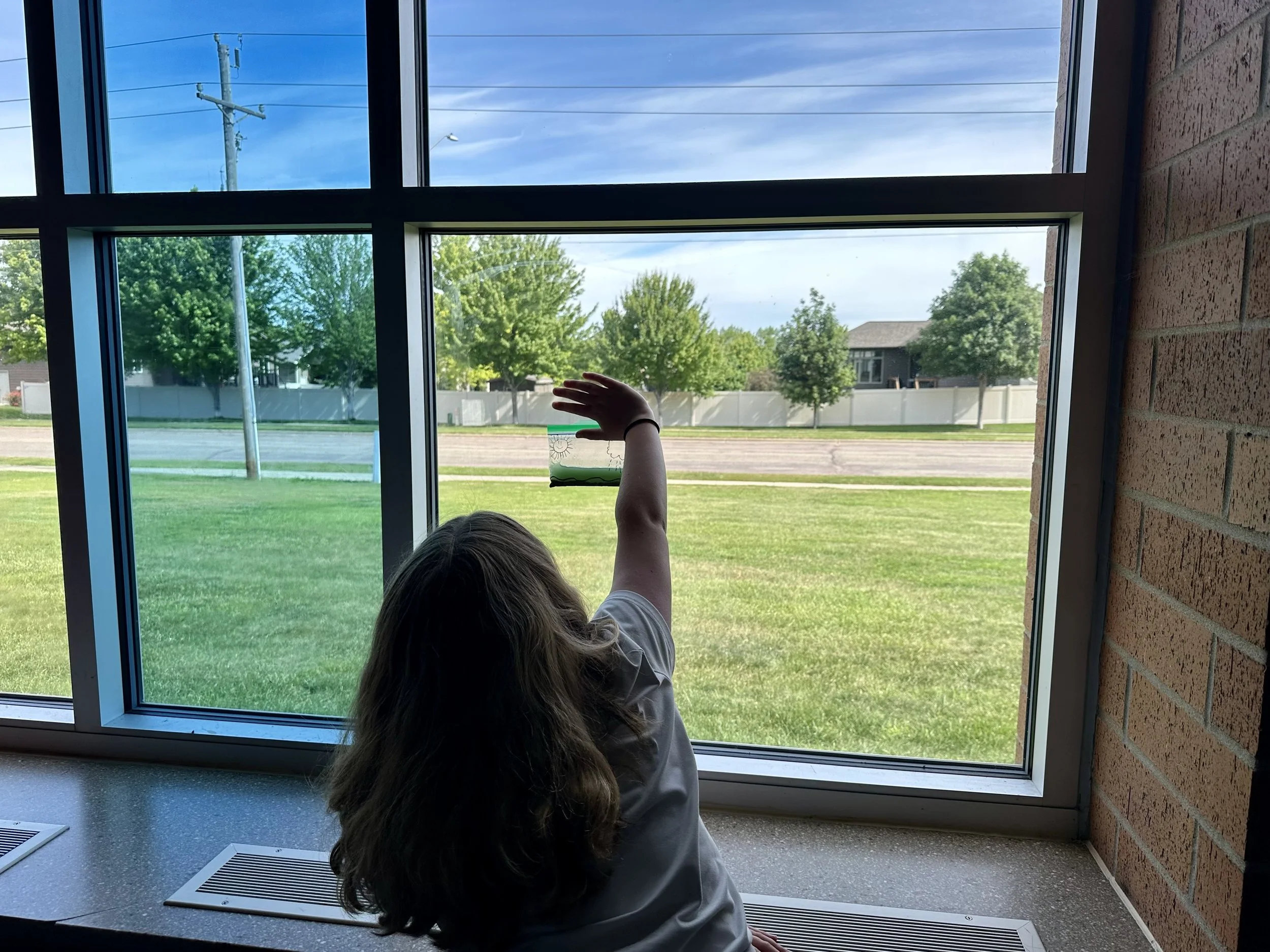
In this hands-on activity, students create their own mini water cycle using a resealable plastic bag, a marker, sand, water, and a sunny window. As the water warms, students observe evaporation, condensation, and precipitation taking place right before their eyes. Through this simple experiment, students explore how water moves and changes form as it travels through the water cycle. The activity provides a fun and visual way for students to connect the water cycle to the world around them.
-
The Journey of Barney the Bass
Activity Type: Hands-On Activity
Age Group: Upper Elementary School
Class Size: Up to 25 students
Time: ~30 minutes
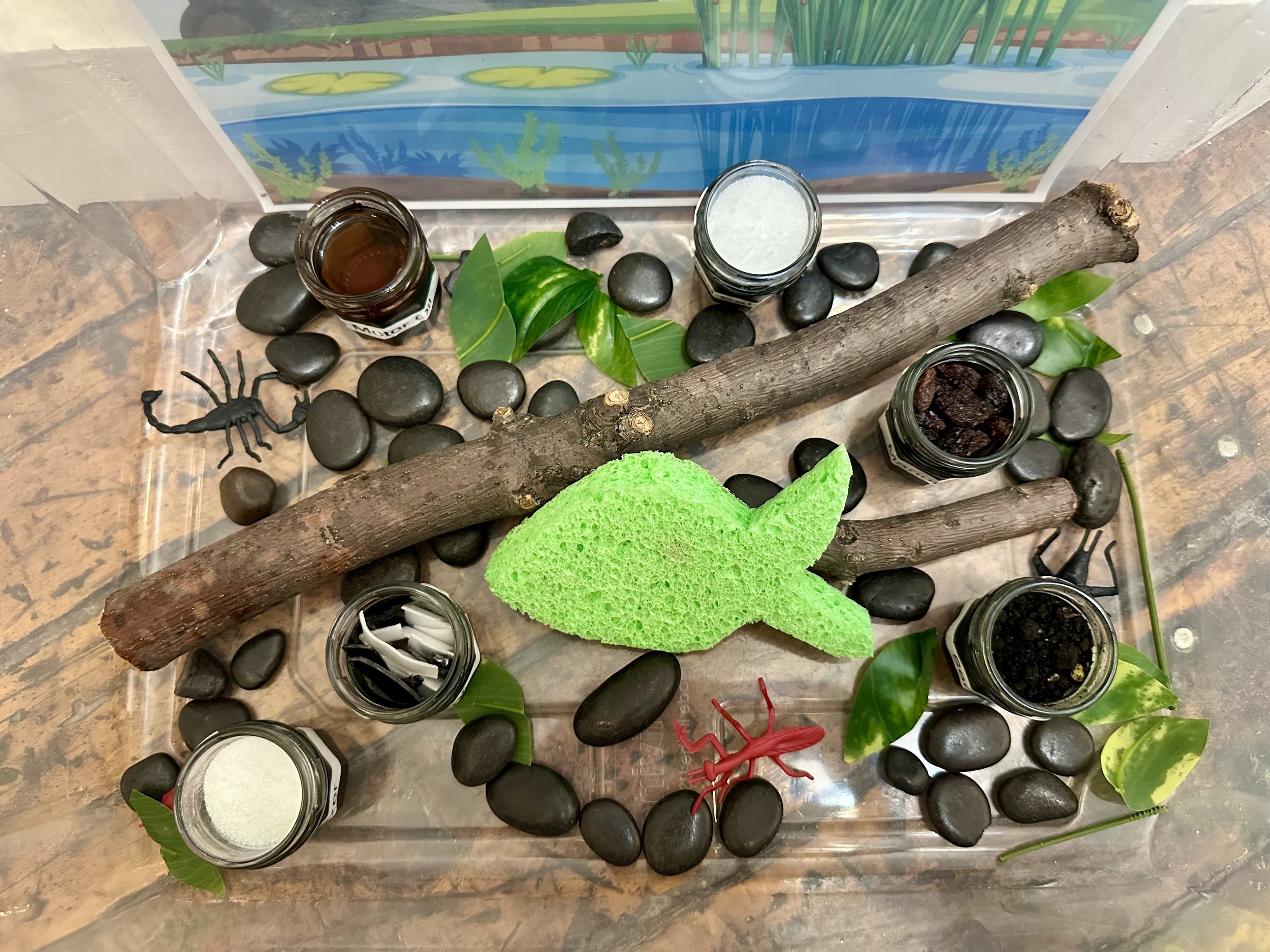
Learn More"The Journey of Barney the Bass" activity teaches students about water pollution and its effects on aquatic life. Students simulate Barney's journey downstream from a clean river to a polluted environment. They gradually introduce pollutants such as sediment, manure, fertilizers, weed killer, and litter into the water, illustrating how human activities can degrade aquatic habitats. Through role-playing and observation, students learn about the importance of clean water for aquatic ecosystems and explore ways to mitigate pollution and protect water resources. This hands-on approach engages students in understanding environmental issues and encourages them to consider their impact on water resources.
-
Water Webs: We’re All Connected
Activity Type: Game
Age Group: Elementary School through Middle School
Class Size: Up to 30 students
Time: ~30 minutes
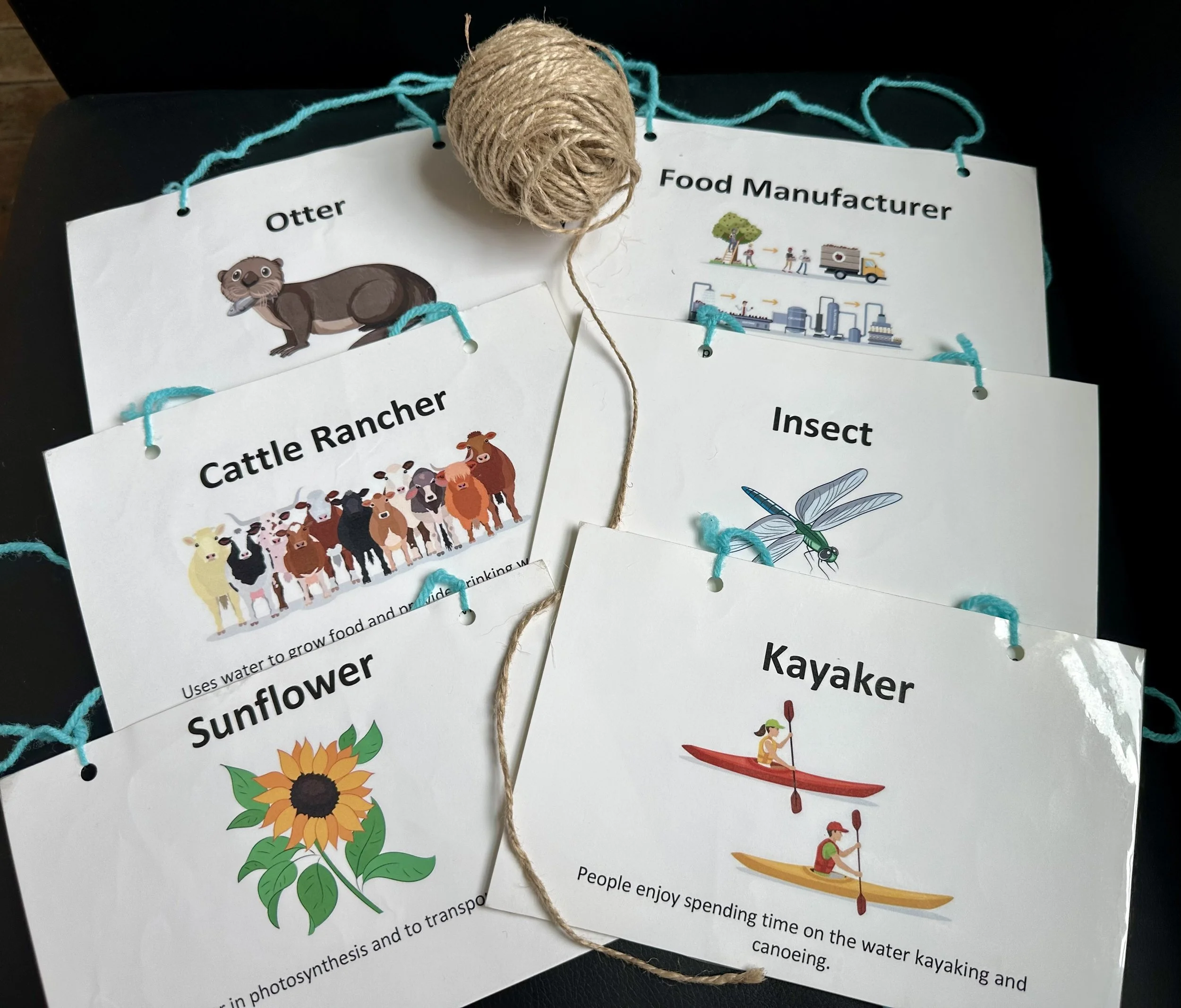
Learn MoreIn this activity, students demonstrate the interconnectedness of water users in a community by building a water web. Each student receives a name tag with a different water user (e.g., dairy farmer, restaurant owner, wildlife, manufacturer, etc.) Students stand in a circle and describe the goods or services their water user provides and how their product or service uses water. One student is given a ball of yarn. Other students must raise their hands if they use the goods or services offered by that student. The ball of yarn is then tossed between students as they make connections between different water uses. For example, a restaurant owner may pass the yarn to a soda manufacturer because they use their goods in the restaurant. This game shows students how communities are connected by water and how it is up to all community members and businesses to conserve water to ensure there is enough for everyone.
-
Operation Clean Water: DIY Water Filters
Activity Type: Hands-On Activity
Age Group: Upper Elementary School through Middle School
Class Size: Up to 25 students
Time: ~30 minutes
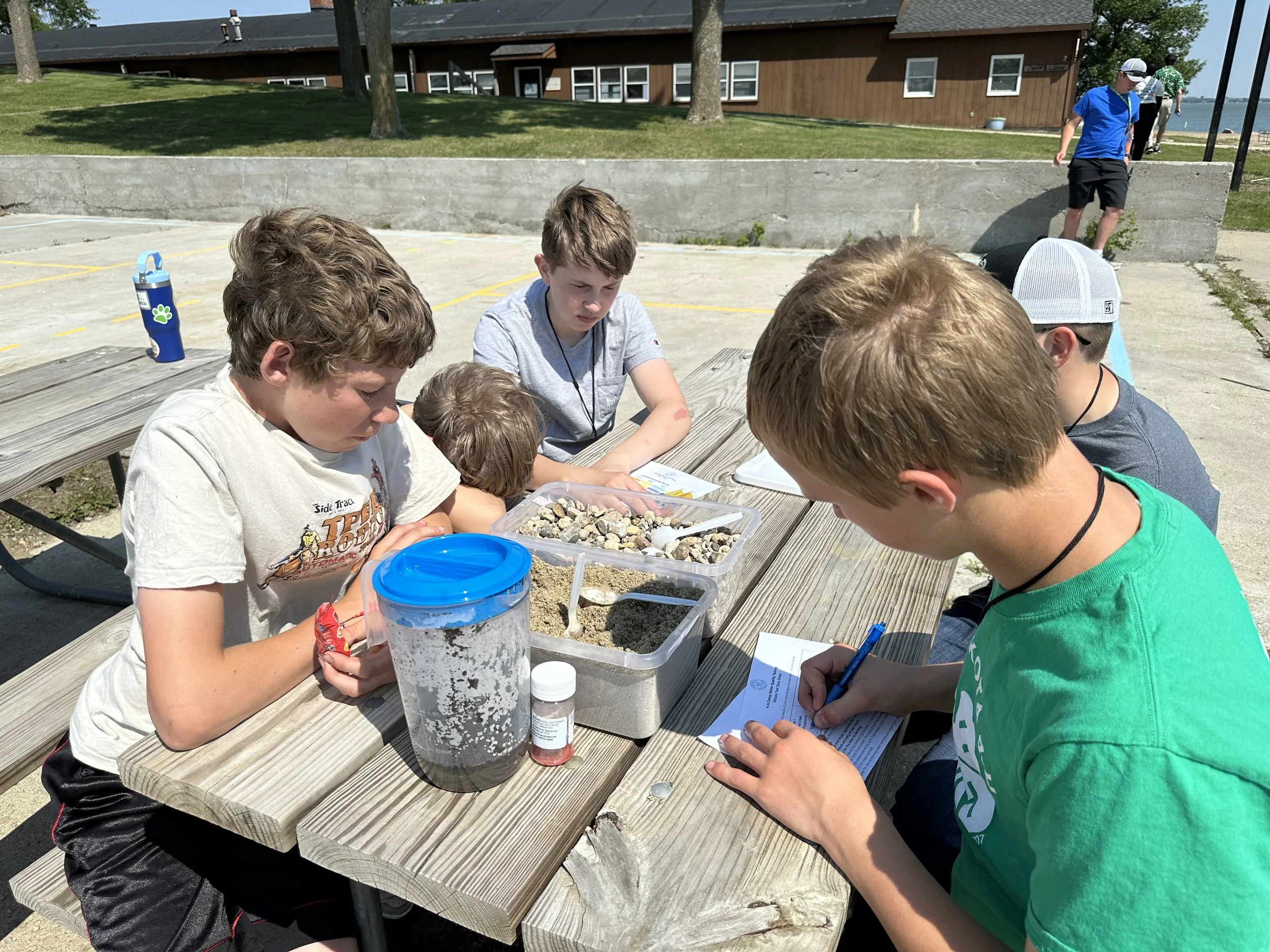
Learn MoreIn this hands-on activity, students investigate how water can be cleaned by creating their own water filters using materials such as gravel, sand, cotton, and other natural or household materials. Students build their filters, pour dirty water through them, and observe how the different layers work together to remove visible particles and improve water clarity. Through experimentation and discussion, students learn how filtration can help clean water and why protecting our water sources from pollution is important.
-
The Wonderful World of Wetlands
Activity Type: Presentation Followed by a Game
Age Group: Elementary School
Class Size: Up to 30 students
Time: ~45 minutes
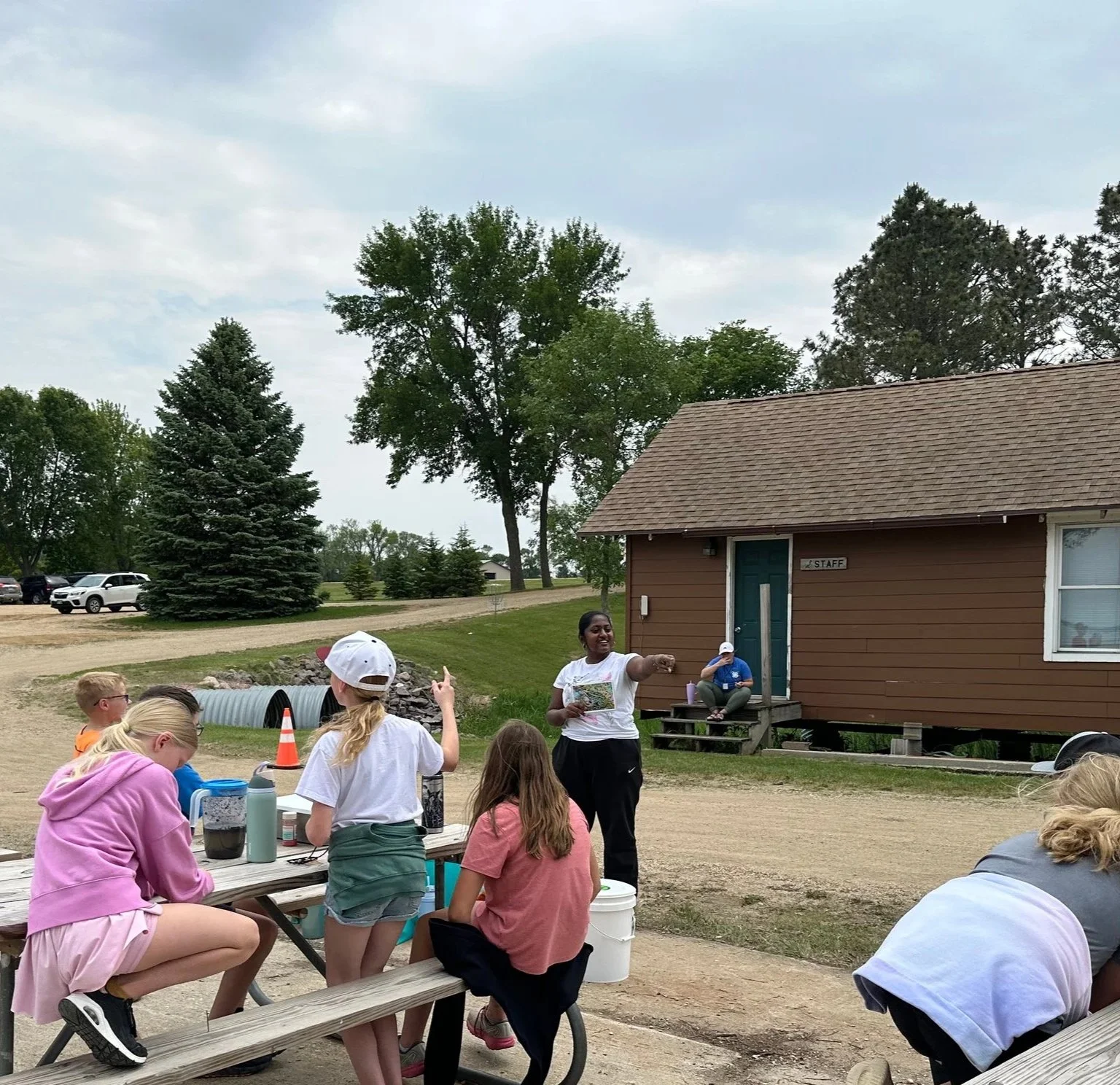
Learn MoreIn this engaging, hands-on program, students explore what wetlands are, why they are important, and the many ways they benefit people and wildlife. A short presentation introduces students to wetland habitats and the important roles they play, followed by a fun "wetland metaphor" activity where students examine everyday household items and guess what wetland function each item represents. Students then put their knowledge into action with a wetland migration game, pretending to be waterbirds traveling between nesting and wintering habitats. As wetlands are added, removed, or changed through different scenarios, students experience firsthand how habitat availability affects migrating birds and how human activities can impact wetlands. Through discussion, observation, and play, students discover why protecting and restoring wetlands is important for healthy ecosystems.
4-H and FFA Activities
Friends of the Big Sioux River offers 4-H and FFA lessons for students of all ages. We will work with you to create a custom lesson based on the needs of your students. We have access to the following 4-H and FFA resources and curriculum books.
-
4-H Soil and Water Science
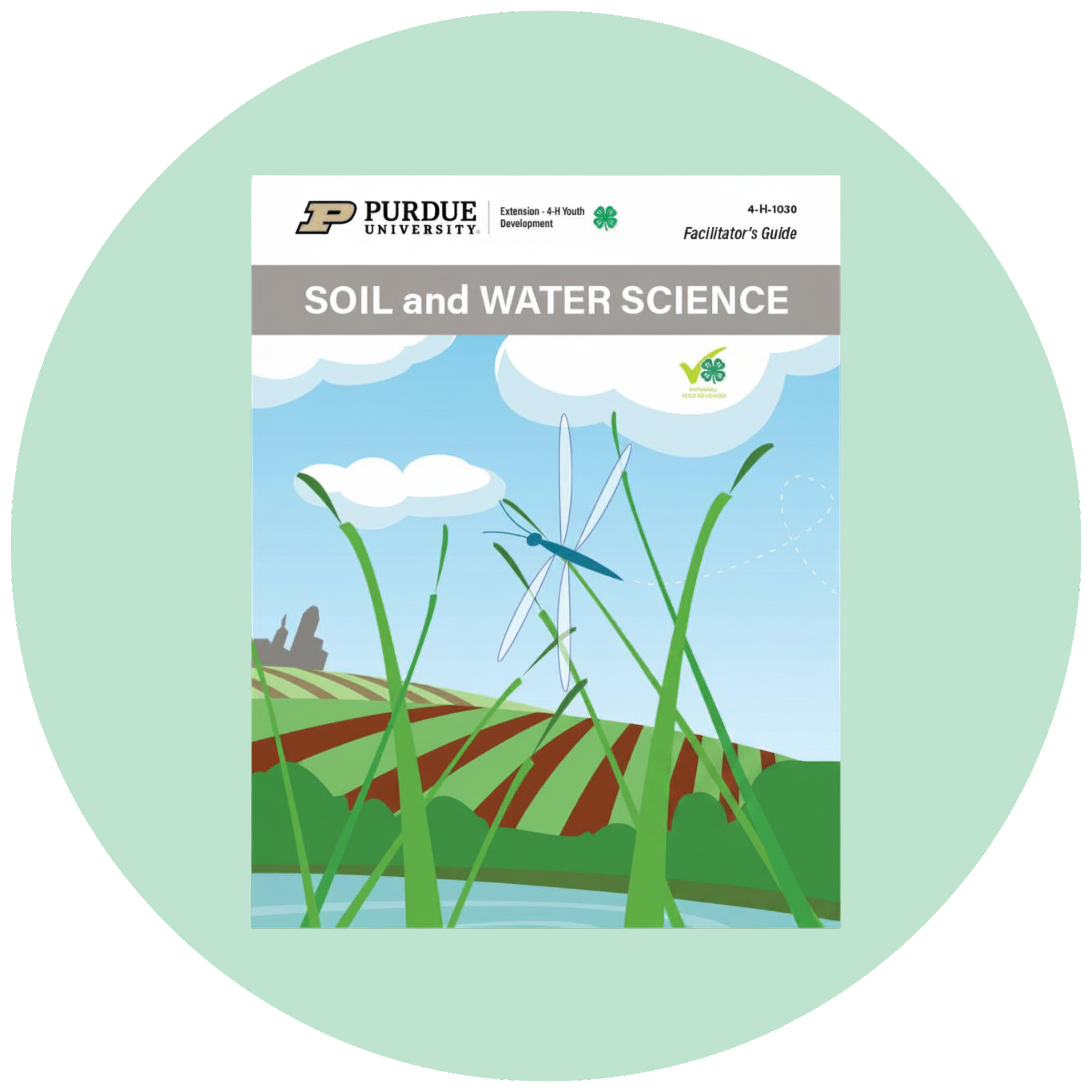
Learn MoreThe 4-H Soil and Water Science curriculum is for youth who enjoy learning about science and two important natural resources: soil and water.
Level 1 introduces basic terms and concepts. Activities focus on understanding important soil and water processes.
Level 2 activities help you put the basic concepts into action to understand more advanced soil and water concepts and interactions with the environment.
Level 3 activities are divided into chapters based on how you might use the information you have learned — as a homeowner, resident of a watershed, food and fiber producer (farmer), mayor, teacher, or legislator. Level 3 delves deeper into soil and water science concepts and can prepare you to be well informed and to study these topics at a college or university.
-
4-H Wildlife and Water Habitats
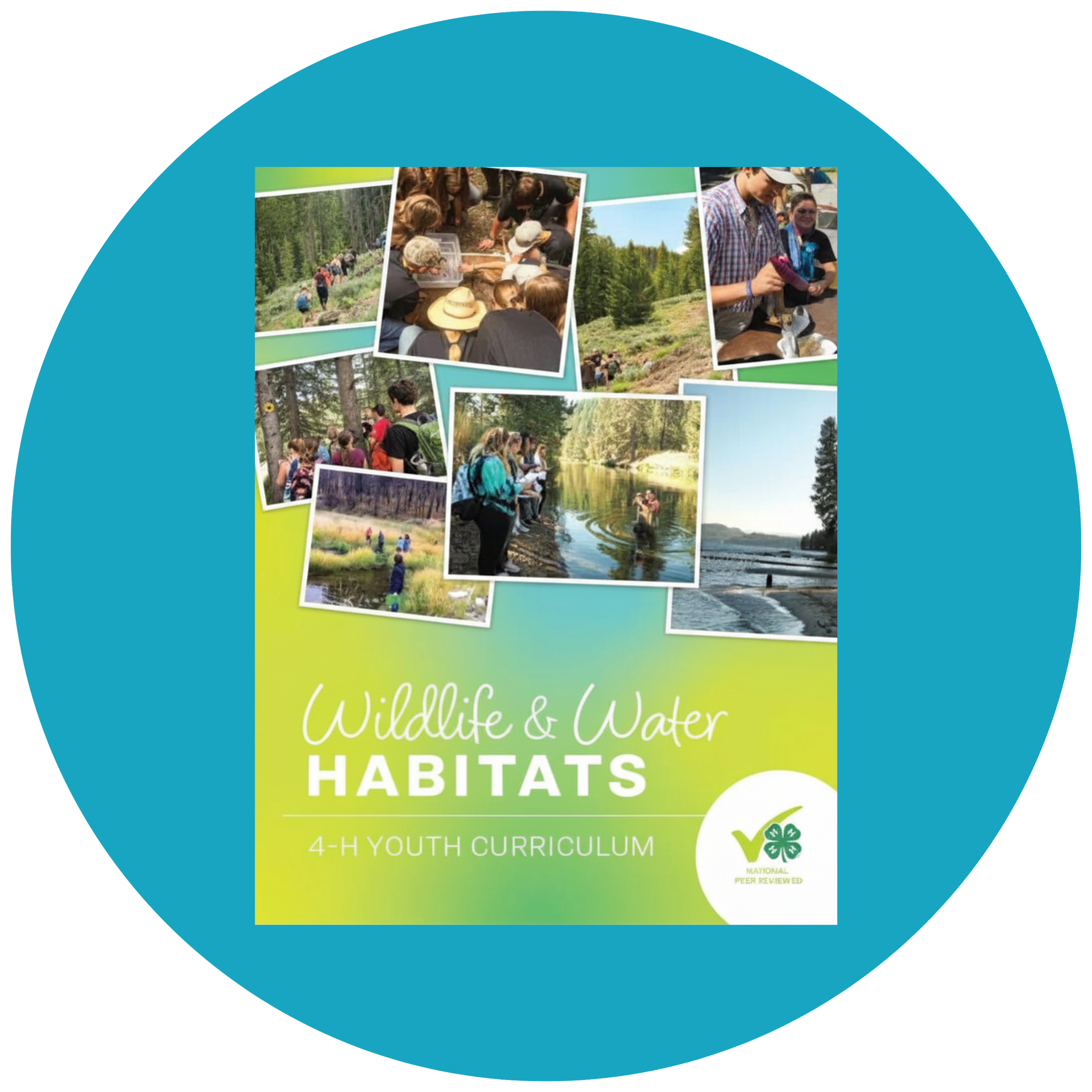
Learn MoreThis 124-page youth text and workbook teaches middle school-age children about habitats as part of a three-year course. An ongoing narrative involving the characters Emily and Logan (peer examples) helps guide youth to develop a sense of responsibility about habitat maintenance as they participate in multiple experiential, interactive and supervised learning activities (worksheets included). Topics covered include soil science, watersheds, how to determine water quantity and quality, assessing habitat health, monitoring water use and more. A handy glossary helps refresh students’ understanding of key terms.
-
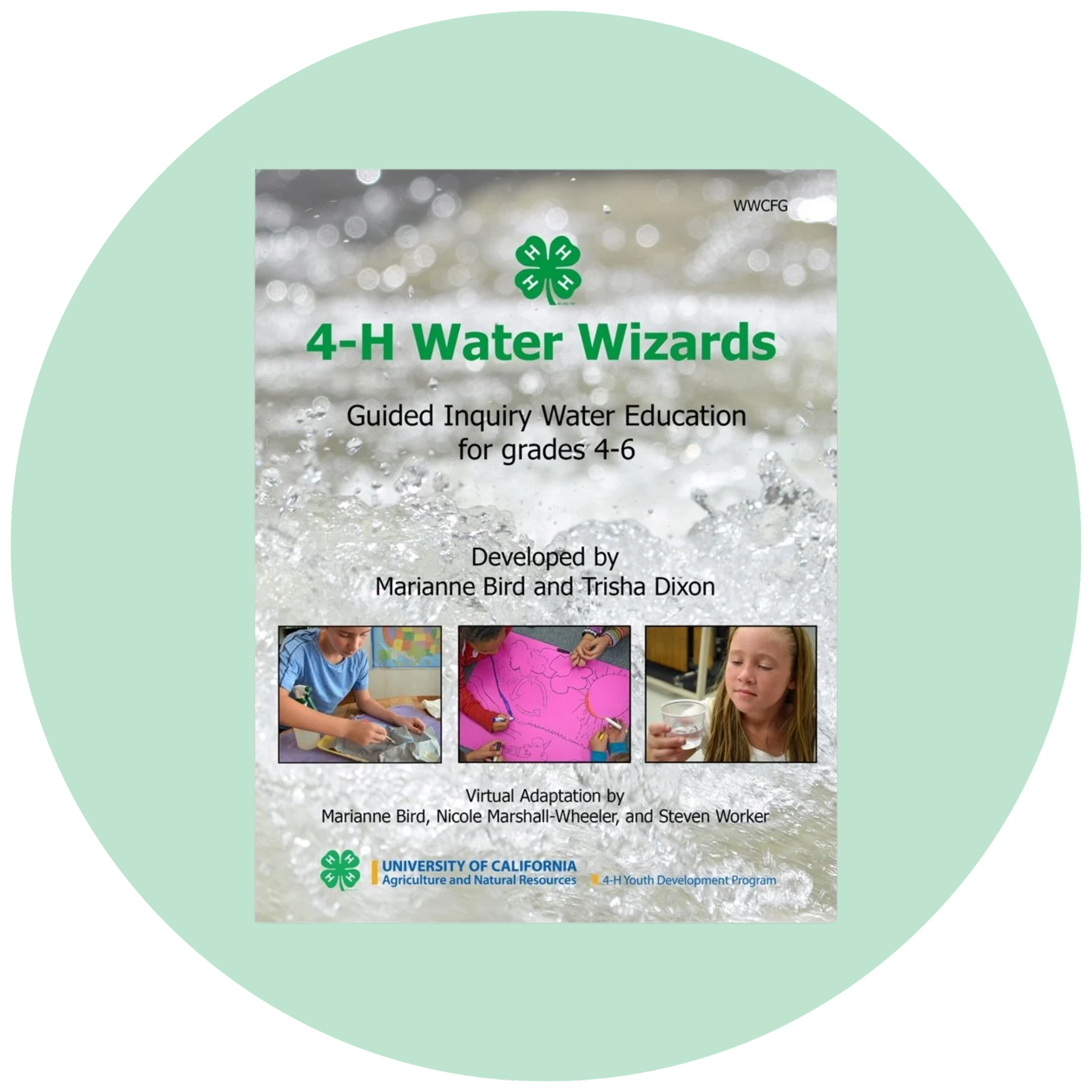
4-H Water Wizards
Learn MoreWater Wizards teaches 4th-6th grade students about water and its importance to the planet. Students participate in hands-on learning experiences that encourage inquiry, teach basic information about water, and develop awareness about this valuable resource. They explore the water cycle, watersheds and pollution; study water usage in their home; and conduct experiments exploring salinity, density, hardness and taste (Is bottled water really better?). Youth also take action on a water issue in their community. The program balances the need for critical information about water with discovery through the process of doing science. It also empowers kids to know they can make a difference in their communities.
-
4-H There's No New Water
Learn MoreThis water conservation and water quality curriculum is grounded in a simple yet powerful concept that water is a finite natural resource whose quantity and quality must be responsibly preserved, protected, used, and reused.
The curriculum includes six sequential learning modules and is intended for delivery in out-of-school group settings to be facilitated by an adult. -
4-H Rain to Drain: Slow the Flow
Learn MoreDeveloped by Penn State Extension, Rain to Drain - Slow the Flow is a hands-on stormwater education curriculum. This experiment style series of activities leads youth and adults to a better understanding of the movement of stormwater in natural and developed communities. It's also a great introduction to green infrastructure and stormwater best management practices.
This curriculum is designed to be used by middle-school aged youth; it is also easily adaptable to older and younger youth and also for adults. -

FFA Natural Resources Curriculum
Learn MoreWe are happy to present on any of the following FFA Natural Resources Curriculum materials:
Education Handouts
Learn more about actions you can take in your community to improve water quality by downloading our educational handouts below.
Education Efforts Sponsored in Part By: