
Farmers play an integral role in our communities by providing the products we use every day. You wouldn’t have mom or dad’s home-style cooking without the dairy, meat, and produce farmers who help bring those meals to the table!
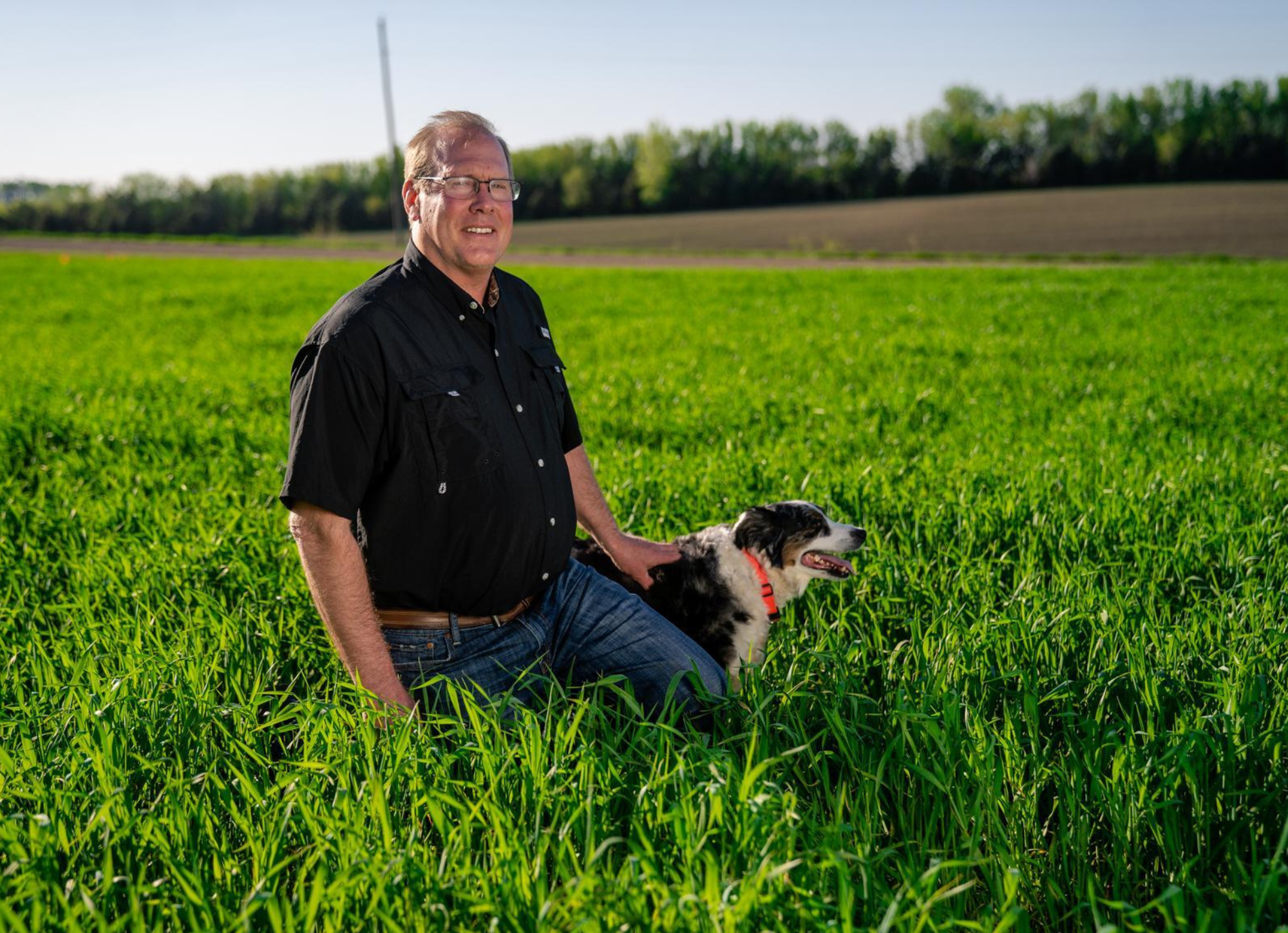
Farmers shape not only our kitchens, but also the land around us. When farmers prioritize sustainable practices, everyone benefits. We get to enjoy delicious food while healthier soil, cleaner water, and reduced chemical runoff protect the plants and animalsnthat share our environment.
A farmer in our community prioritizing sustainable practices is Lynn Boadwine. Boadwine Farms was established in 1989 with only 42 dairy cows. Since then, Boadwine Dairy has grown and was awarded the 2022 U.S. Dairy Sustainability Award, in conjunction with Bel Brands and Land O’Lakes Cooperative, in the Processor Collaboration category. Friends of the Big Sioux River wanted to learn more about Lynn and his team’s sustainable practices, so we sat down with Lynn for an inside look.
As a non-profit focused on local water, we of course had to ask Lynn how he reduces overall water use on the farm, and he gave us several examples. One way they have reduced water use is by switching from a sprinkler system to a high-pressure fog system with high-velocity fans for summer cooling. This helps the cows stay comfortable when lying down and reduces overall water usage. Boadwine Farms also captures water used to heat and cool milk intended for calves and stores it for later use in stall and equipment washdown. Finally, the farm collects washwater from the milking parlor and other drains to reuse in their manure-handling and sand-separation systems. The overall goal is to use water as much as possible before it leaves the farm system. “I like to say that this liquid does not go to waste: it helps us recover bedding, move manure, and finally grow crops,” Lynn said.
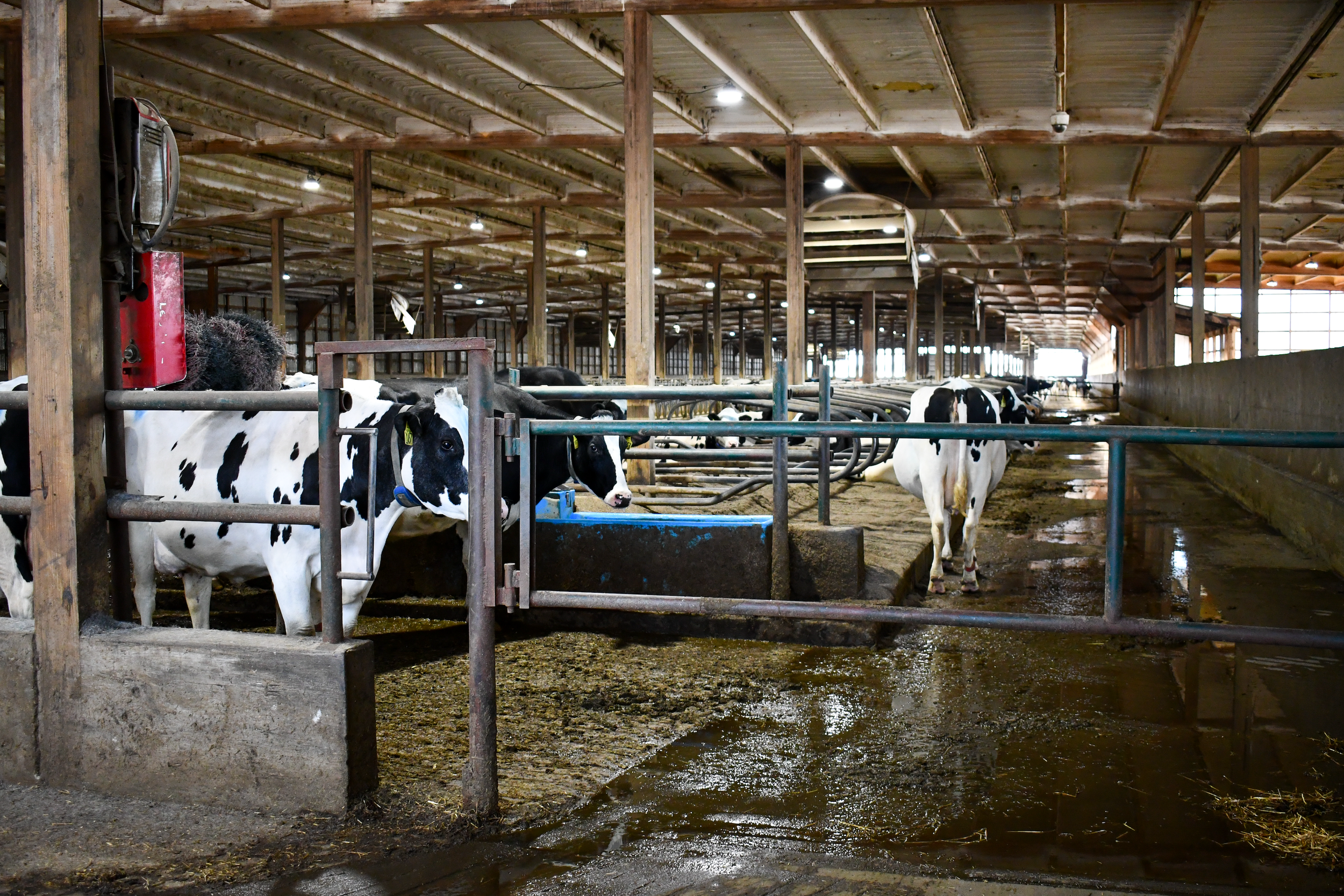
Implementing a water reuse system comes with a few challenges, including ensuring the reused water meets the quality needed to do the job. “It takes equipment and planning to collect the water, separate solids, and move liquid where it is needed. Recycled liquid becomes dirtier as it moves through the system, so we have to manage that while keeping the processes effective. The goal is to reuse water wherever it can do the job well.”
Another sustainable practice Boadwine Farms focuses on is regenerative agriculture. Regenerative agriculture describes a style of farming that improves or restores the land rather than just depleting it. The farm’s main practices include returning manure nutrients to the soil, planting cover crops (cereal rye and sorghum), implementing crop rotation, and practicing minimum tillage. Lynn is seeing the benefits of these practices first-hand. “Recently, I dug into fields managed with different tillage practices. In the fields with less tillage, I saw more wormholes and channels left by old roots. Those observations help explain why I believe our soils take in rainfall better than they did when we used more tillage. In my experience, minimum tillage has substantially reduced erosion. Cover crops also help protect and hold the soil after harvest.”
Boadwine Farms also buys corn stover and wheat straw for bedding. After use in the barn, they return the material to the fields as bedding-pack manure to help protect the soil from erosion and provide nutrients. “To me, that is a practical example of regeneration: use the crop material, return it to the land, and keep the soil productive,” Lynn said.
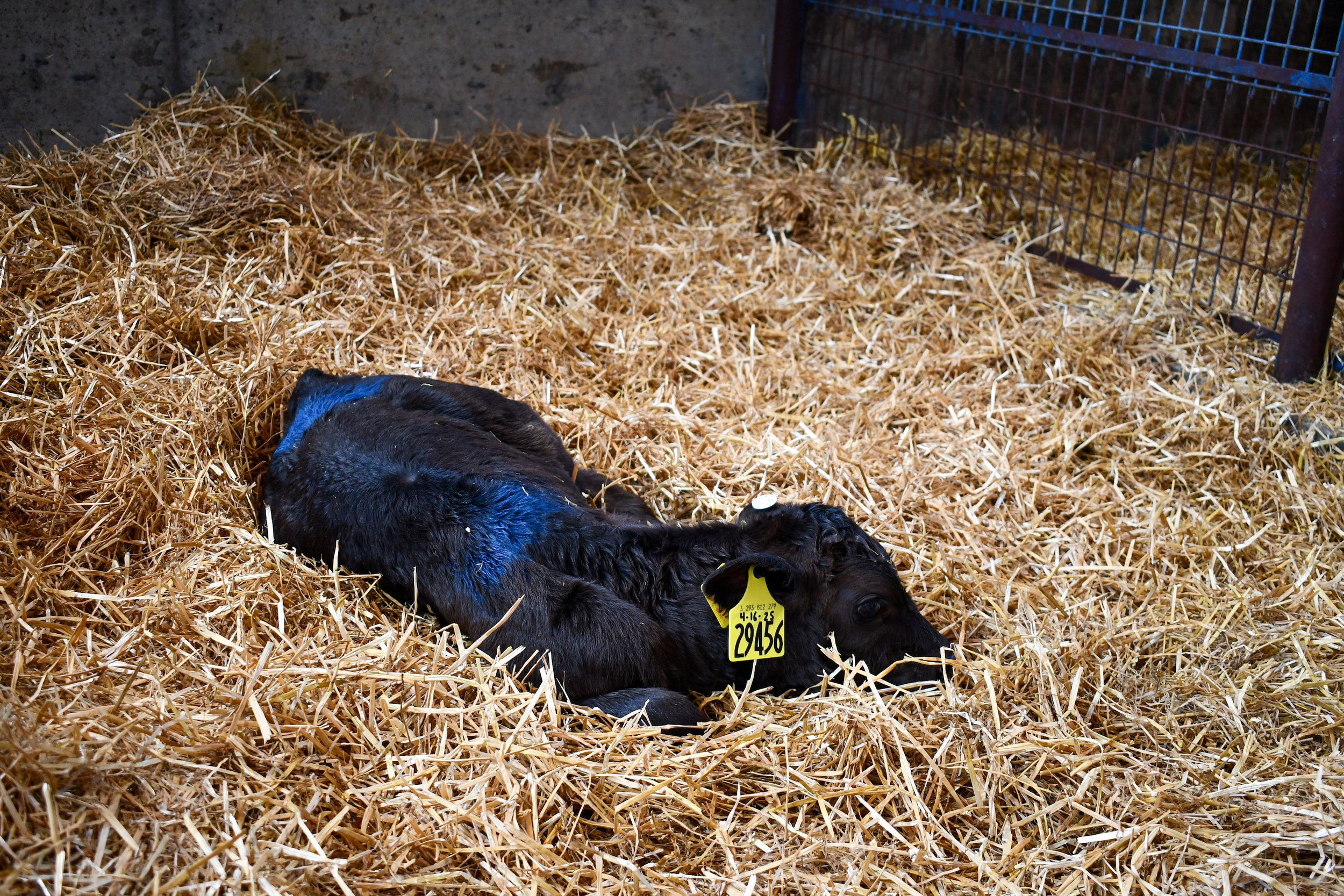
When asked what excites Lynn about being in the dairy industry today, he shared some intriguing insights. He discussed how they can use everything they produce more effectively. For example, “Whey was once a difficult byproduct of cheese manufacturing. Today, processors use membranes and dryers to turn it into valuable protein ingredients.” Learning to turn a problem into a solution that benefits people is a great way to practice sustainability. He also expressed his excitement about genetics. “Genomic testing and reproductive tools let us improve animals more quickly, including selecting healthier cows and milk with more butterfat and protein.” While Lynn is excited about the future of dairy, he also noted major challenges ahead. Two major challenges are keeping finances steady as milk prices rise and dealing with unpredictable weather. “I worry about losing smaller producers, especially when they cannot find a processor for their milk, but I am proud of the industry’s ability to keep improving.”
Farming is a difficult and demanding industry, and we appreciate farmers like Lynn who prioritize sustainability and quality products. We think Lynn said it best when he left us with a few parting words about his role in the dairy industry. “Dairying is the only work I have known, and I am committed to it. I cannot control every challenge, but I can keep trying to do a better job. That effort gives me purpose, and I take seriously the responsibility to our animals, our land, and the people who depend on us.”
