
“Fall” Into Supporting the Big Sioux River Watershed
Happy start of fall! As we enter the fall months, it’s important to remember there are many ways we can support our local ecosystems, including the Big Sioux River watershed. While environmental stewardship is important year-round, each season brings its own opportunities to care for our local environment. Let’s dive into some simple ways you can help protect and support the Big Sioux River Watershed this fall!
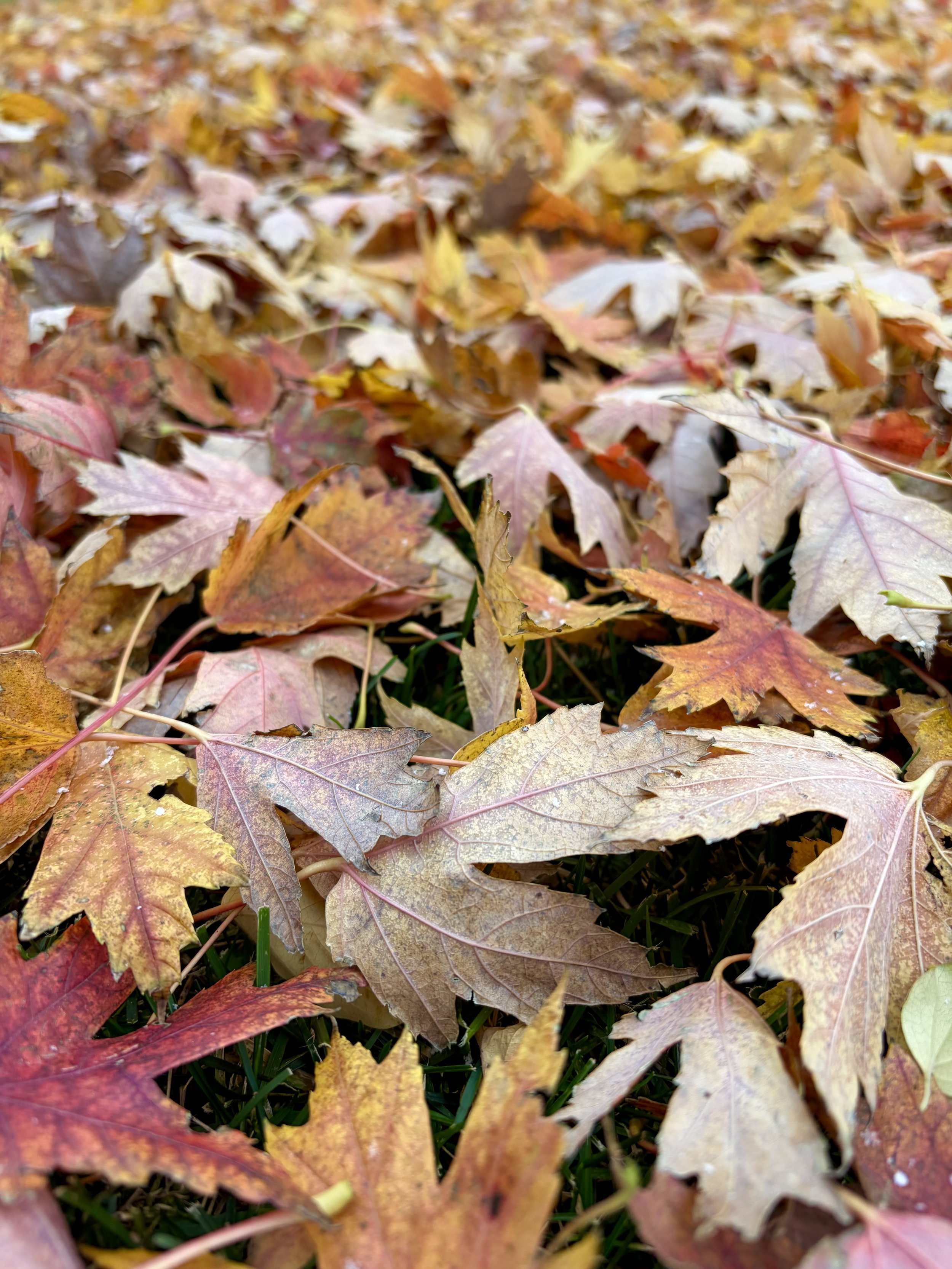
No Rake November
If you live in an area with large trees, you are likely to experience abscission, the natural process by which trees shed their leaves. This means your yard will be covered in beautiful fallen leaves, which may have more benefits than you think! By leaving your leaves or moving them to garden beds and other natural areas, you can support local pollinators, songbirds, and many other animals.
How does leaving your leaves support pollinators? Leaving leaf litter over the winter months offers a cozy blanket for pollinators, such as mourning cloak butterflies, great spangled fritillaries, swallowtail butterflies, native bees, and other insects like beetles.
Not only does leaving leaf litter support those pollinators, but it also supports fireflies! If you have noticed a significant decrease in fireflies in recent years, it may be because they are facing many pressures, including habitat loss. If you want to see more fireflies, start by supporting their habitat.
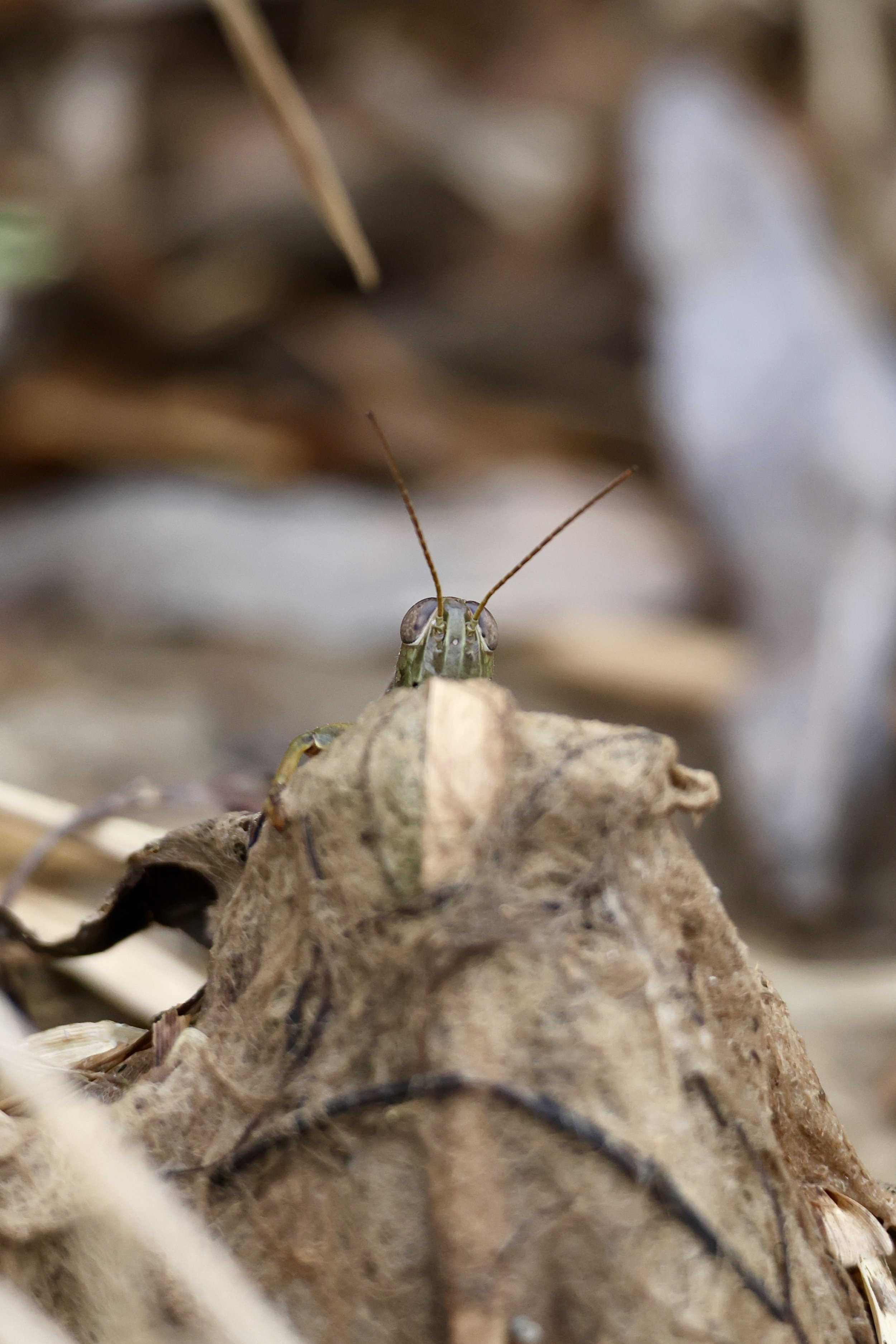
Grasshopper peaking out behind a pile of fall debris.
Photo by: Tessa Magner
No rake November also supports ground-foraging birds over the winter months when food becomes scarce. The leaves create an insulating layer for beetles, caterpillars, and spiders, which birds such as sparrows, juncos, and robins eat. Supporting wildlife creates biodiversity, which helps support the Big Sioux River ecosystem.
Cleanup Time!
Another easy way to support the Big Sioux River watershed is to participate in clean-up events or pick up litter on your own. While it's always important to remove litter, it is especially important to do so in the fall.
During the fall months, it's important to clean up trash in preparation for winter. As temperatures drop and natural food sources become less available, wildlife may be more likely to encounter or interact with human spaces and the litter left behind. For example, a pile of trash at a park may not appeal to wild animals in summer, but in winter it could become an attractive shelter. This could lead to strangulation by soda rings, cuts or scrapes from broken glass, or maybe an animal ingesting a plastic food wrapper. Cleaning up trash in the fall protects wildlife during the winter.
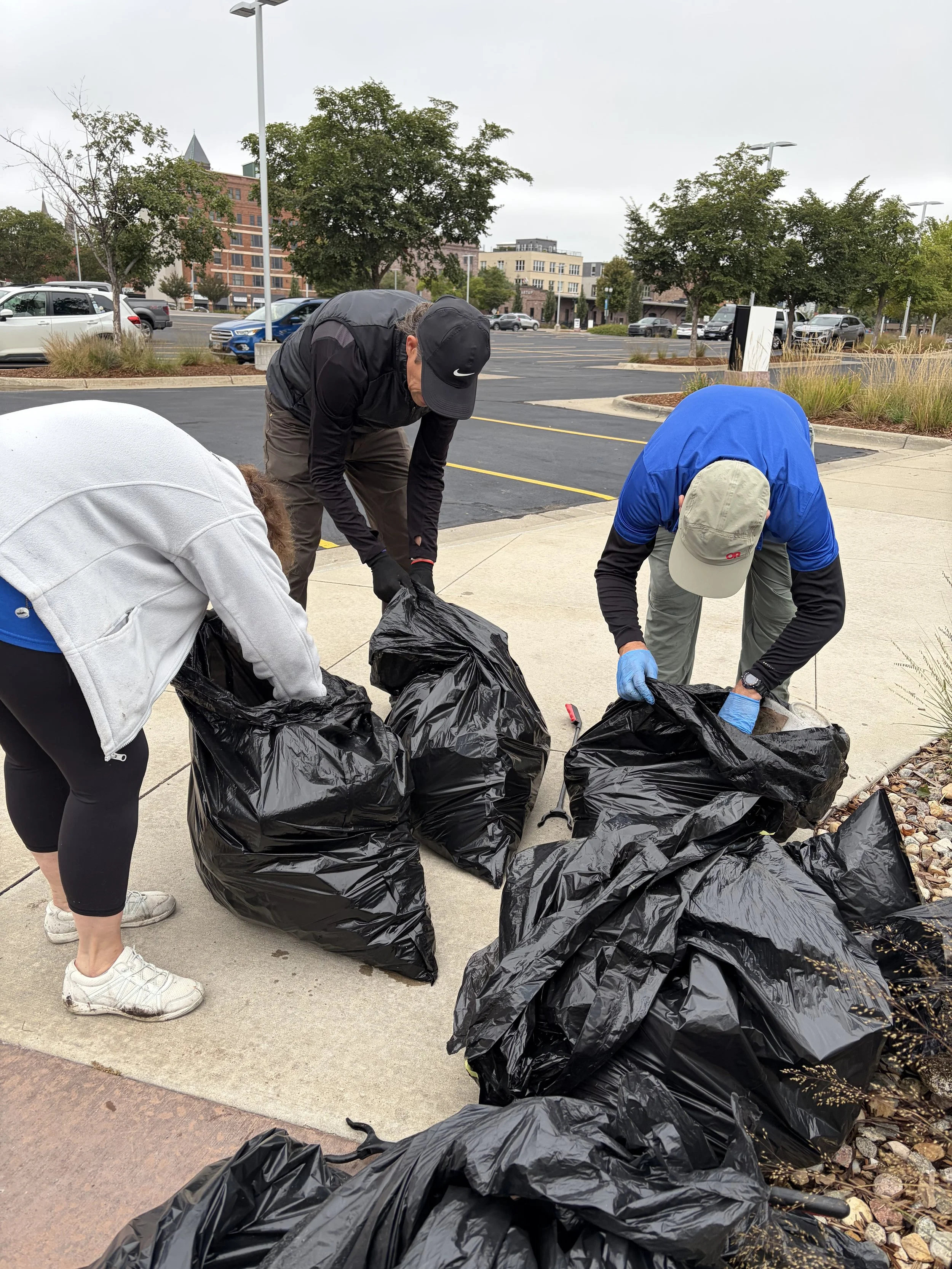
Community cleanup event before Riverfest, 2026.
Another reason fall cleanups matter is that they keep plastic litter out of the environment. Over time, sunlight, temperature changes, and physical weathering cause larger plastic items to become brittle and break into smaller pieces called microplastics. Once plastic breaks into these tiny pieces, it becomes much more difficult to remove. Removing larger plastic items before they can break down is a great way to reduce the amount of plastic entering the environment and help prevent additional microplastics.
Seed Native Plants
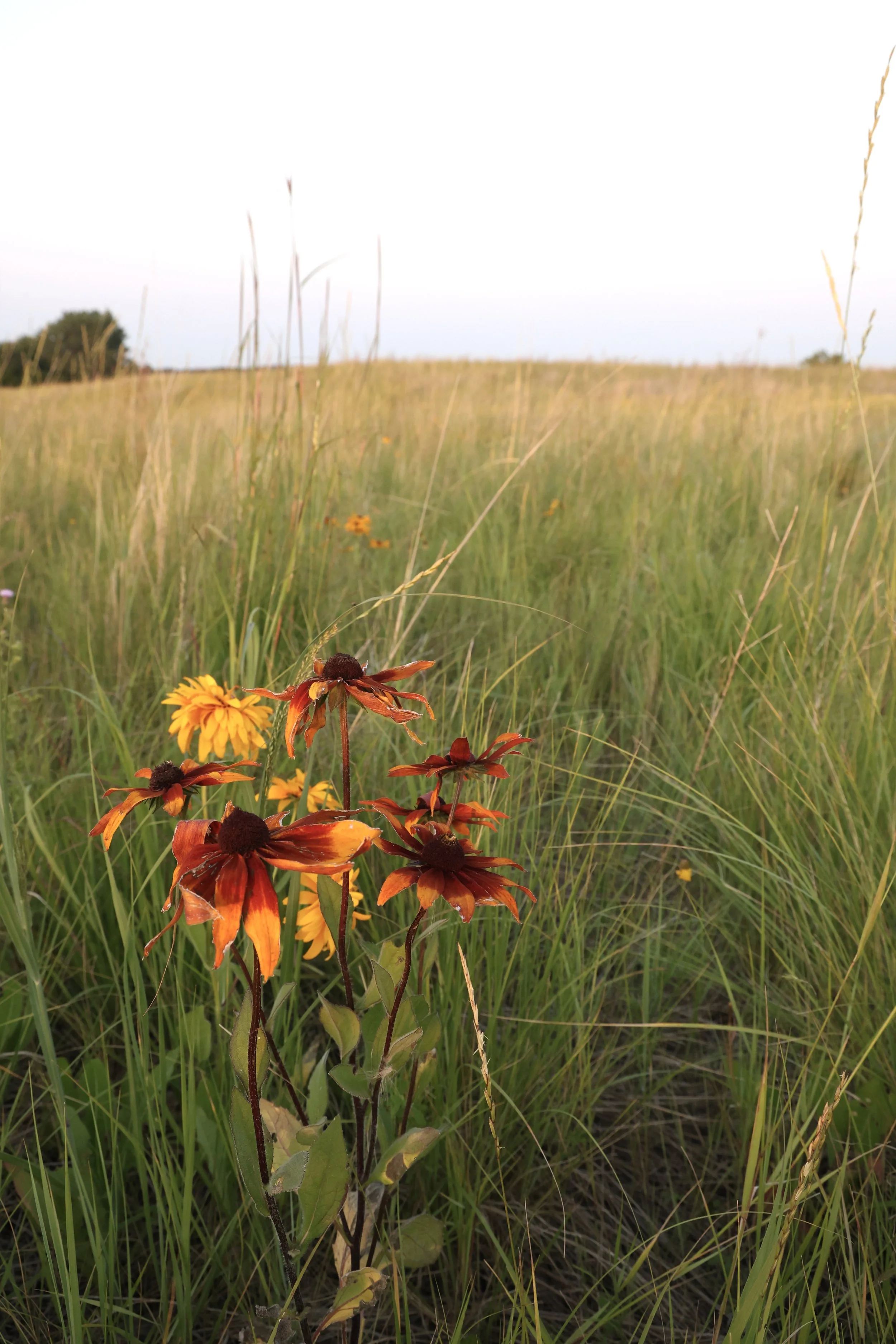
Prairie flowers in Northern South Dakota.
If you are interested in adding native plants to your property, fall is a great time to do that! You can plant black-eyed Susan, purple coneflower, milkweed, little bluestem, and many more to create habitat for pollinators and other grassland animals. If you enjoy seeing wildlife, including birds, ground squirrels, and amphibians, consider adding a patch of native grassland to your property.
Adding native plants to the landscape not only attracts wildlife, but can also improve soil quality. Seeding native plants is a great way to help reduce runoff. Grassland plants have deep root systems that help water soak into the soil instead of running off to another less desirable location. These roots also help hold soil in place, which can prevent erosion and protect nearby waterways.
Keep Drains Clear of Yard Waste
While piles of leaves can support pollinators and other small critters, make sure drainage areas stay clear. If leaves, twigs, grass clippings, or seed pods pile up in storm drains, they can block the drains and cause water to back up or flow into unintended areas. In addition, if these materials are in gutters or near storm drains, they can be carried into the Big Sioux River.
When excess nutrients enter the Big Sioux River, algae is more likely to thrive. Too much algae can negatively affect water quality and create harmful conditions for fish, wildlife, and pets. By keeping yard waste away from storm drains, you can help keep these nutrients out of our waterways.

Winding River Otter painting painted by Rachel Speiser for the City of Sioux Falls Storm Drain Art Project.
During the fall months, keep an eye on your local storm drains to prevent blockages or excess nutrients from flowing into the river.
